
Build a better room
Better living-room light without replacing every fixture
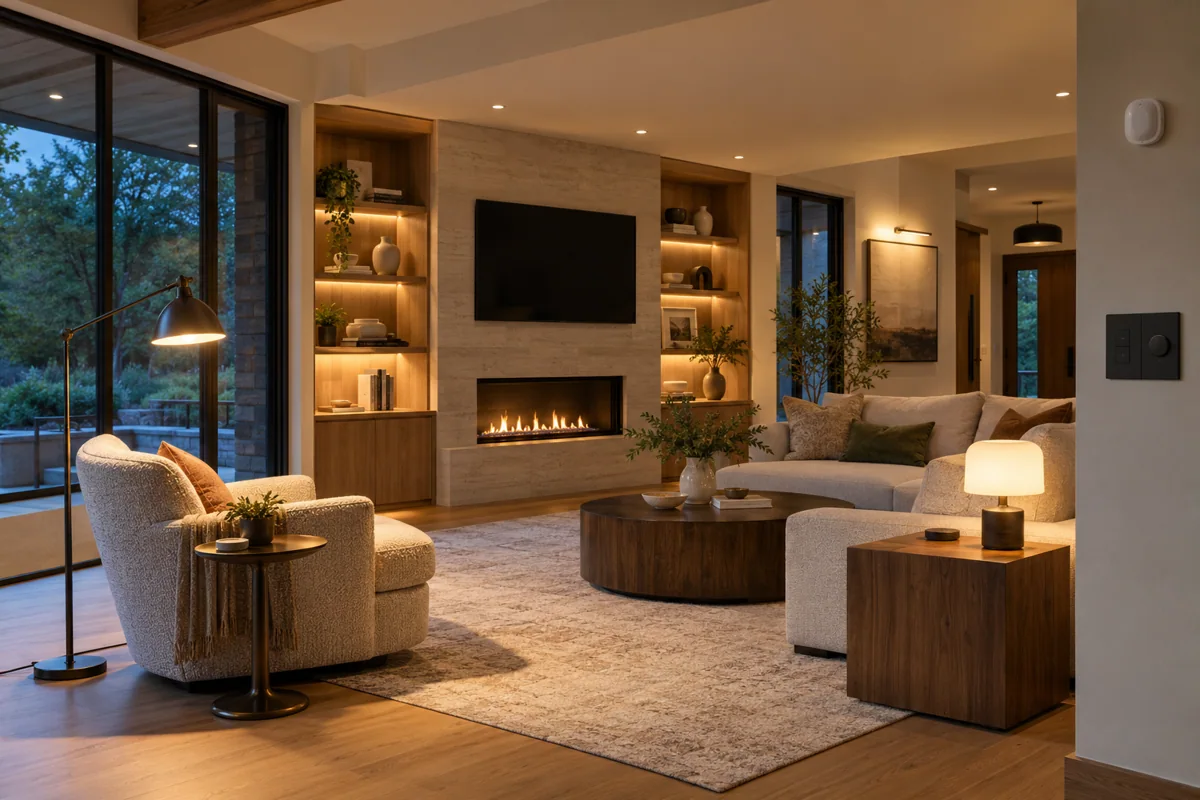
If the ceiling light is adequate but evenings feel harsh, start with controllable table or floor lamps.
Read the guide →Start with the room and the way you use it. Find a sensible first combination and a clear path for adding more later.
100 guides
If the ceiling light is adequate but evenings feel harsh, start with controllable table or floor lamps.
Read the guide →Choose separate reading and television lighting zones before buying a larger fixture.
Read the guide →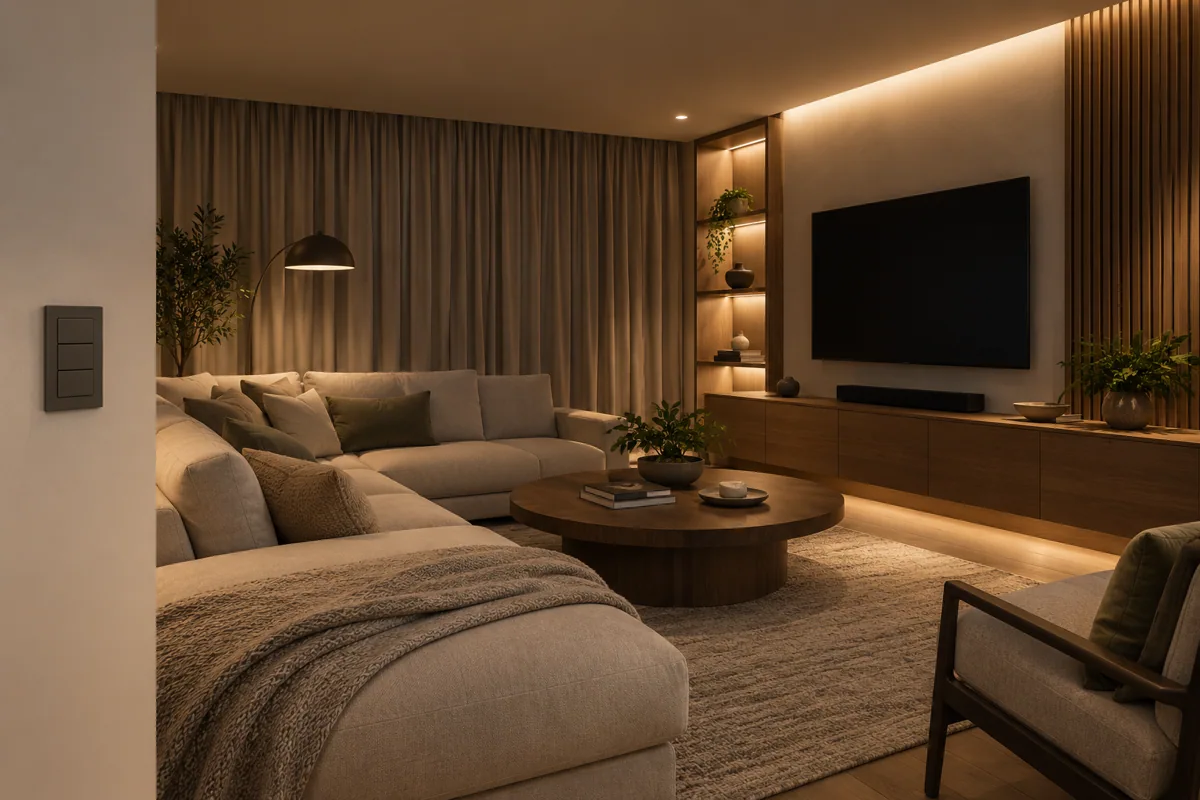
A steady light behind the television and lighting that follows the picture solve different wants.
Read the guide →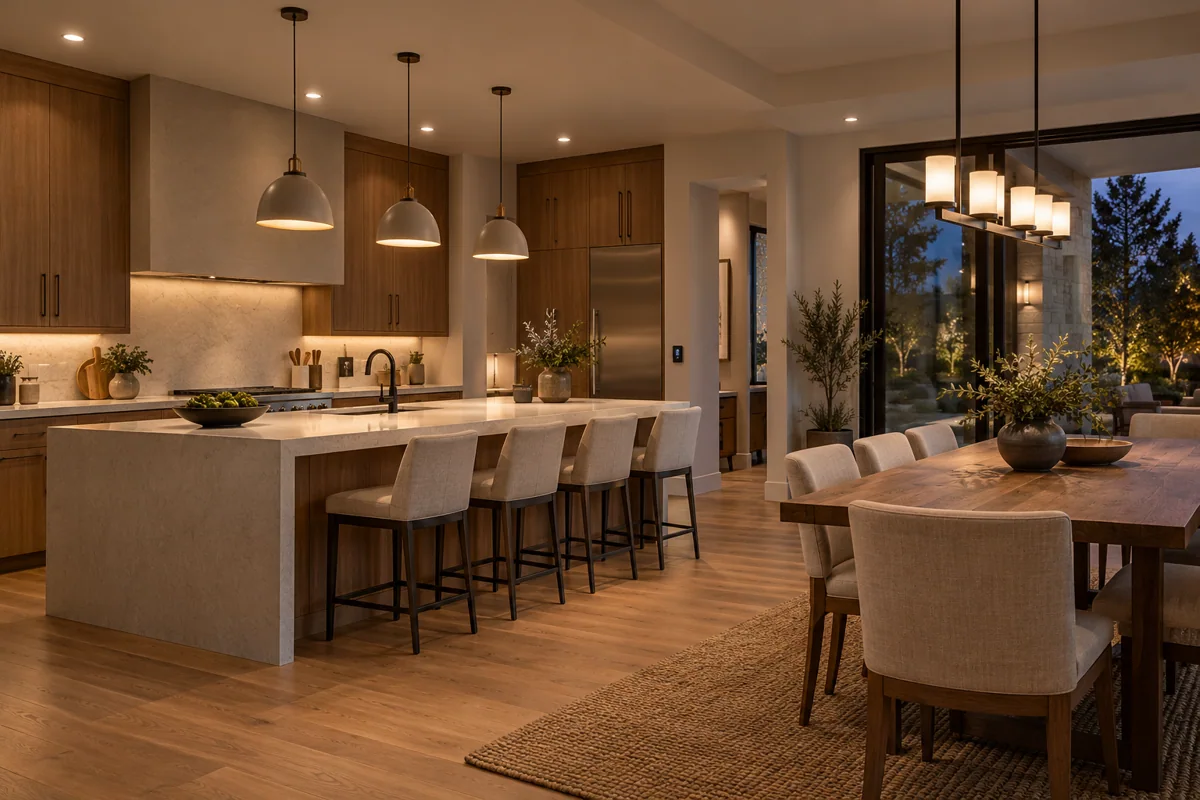
An open room does not need one lighting setting.
Read the guide →
If the screen looks good at night but washes out in the afternoon, review window shading before replacing the television.
Read the guide →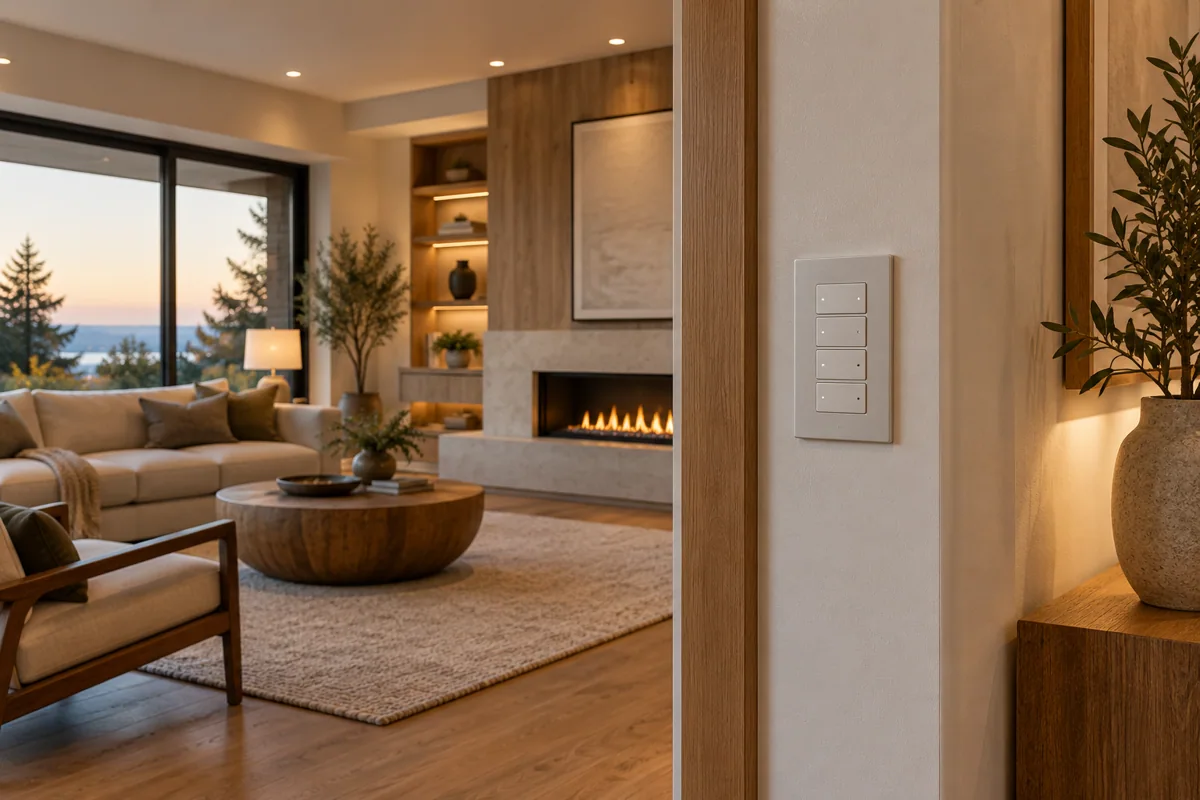
A scene button earns its place when someone can find it without opening an app.
Read the guide →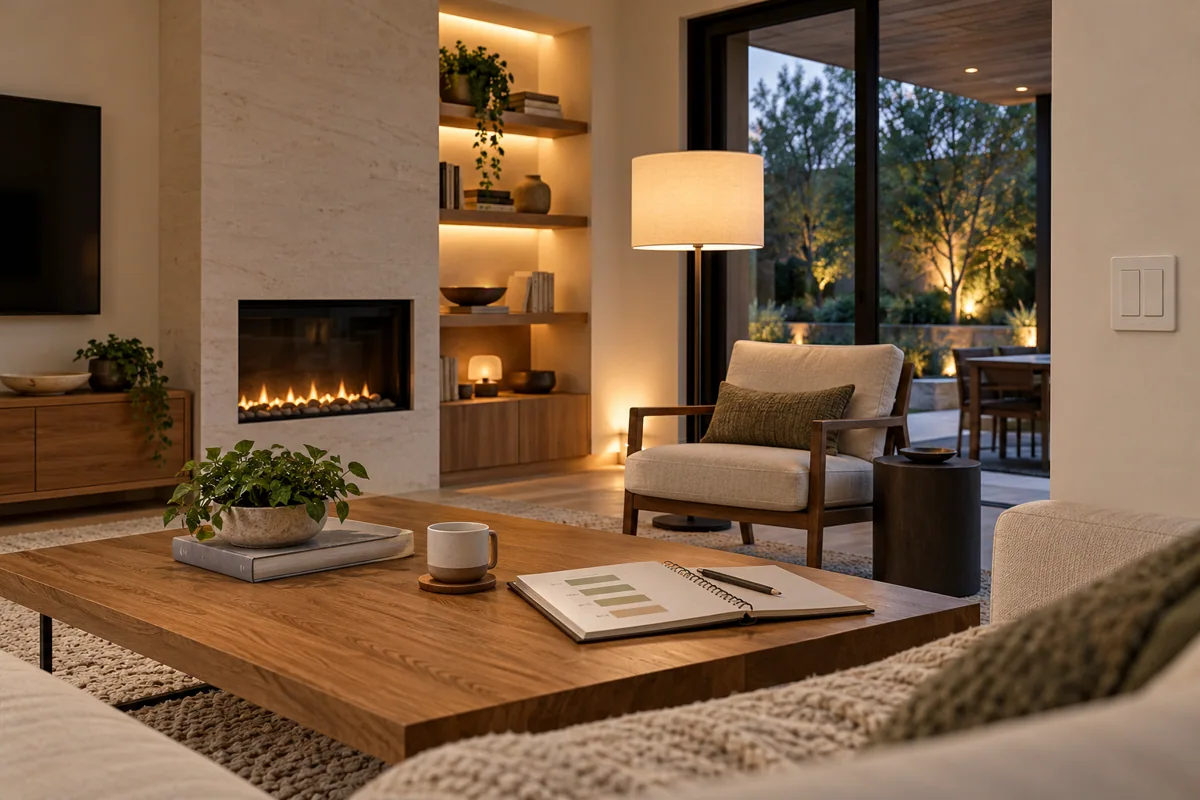
For a rental, start with portable lighting and controls rather than replacing wall devices.
Read the guide →If the household keeps turning subtitles on because dialogue is difficult, start by assessing the television audio connection and a suitable front-speaker solution.
Read the guide →For background music beside a reading chair, a compact speaker can be a more suitable first purchase than a home-theater package.
Read the guide →A person crossing a room and a person sitting quietly are different sensing problems.
Read the guide →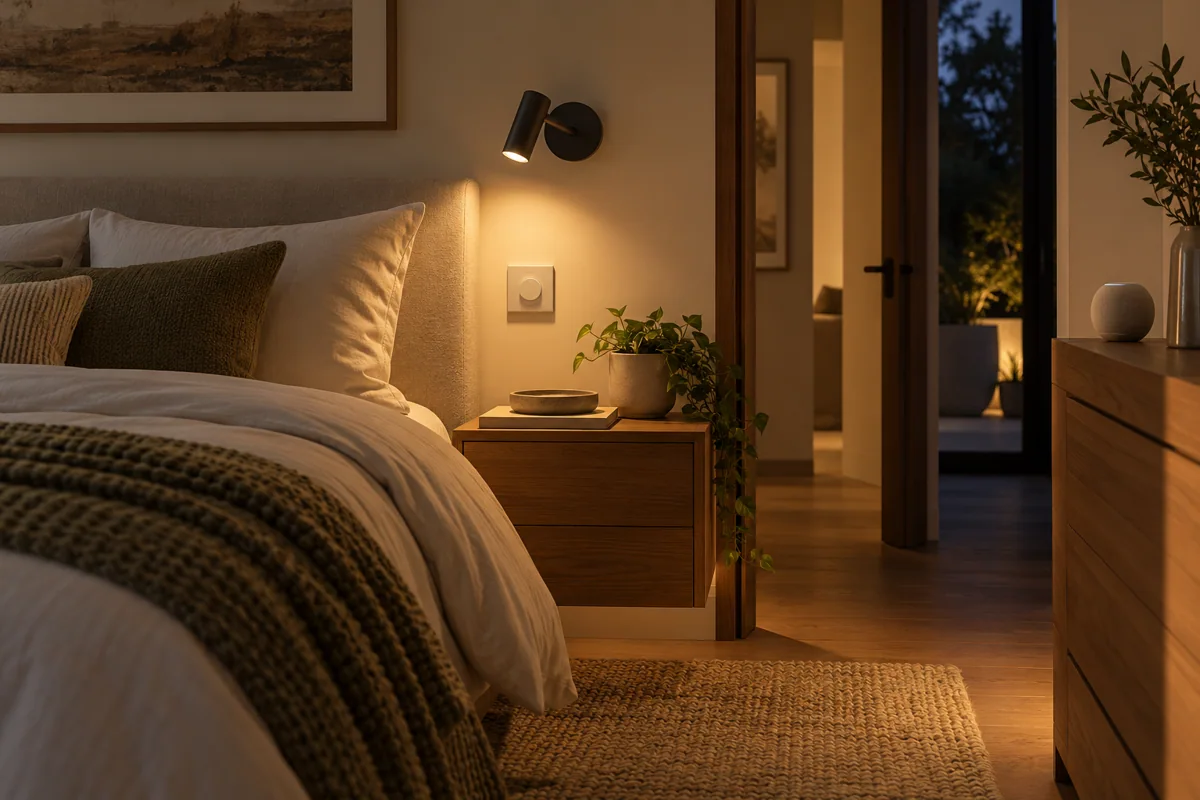
A shared bedroom benefits from independent bedside lights and controls before an elaborate sleep scene.
Read the guide →
If light enters around the fabric or edges when the curtain is closed by hand, a motor alone will not solve the problem.
Read the guide →For rotating shifts, a convenient manual override matters more than a universal sunrise routine.
Read the guide →
The best first upgrade for a guest room is often a clear bedside control and dependable ordinary lighting.
Read the guide →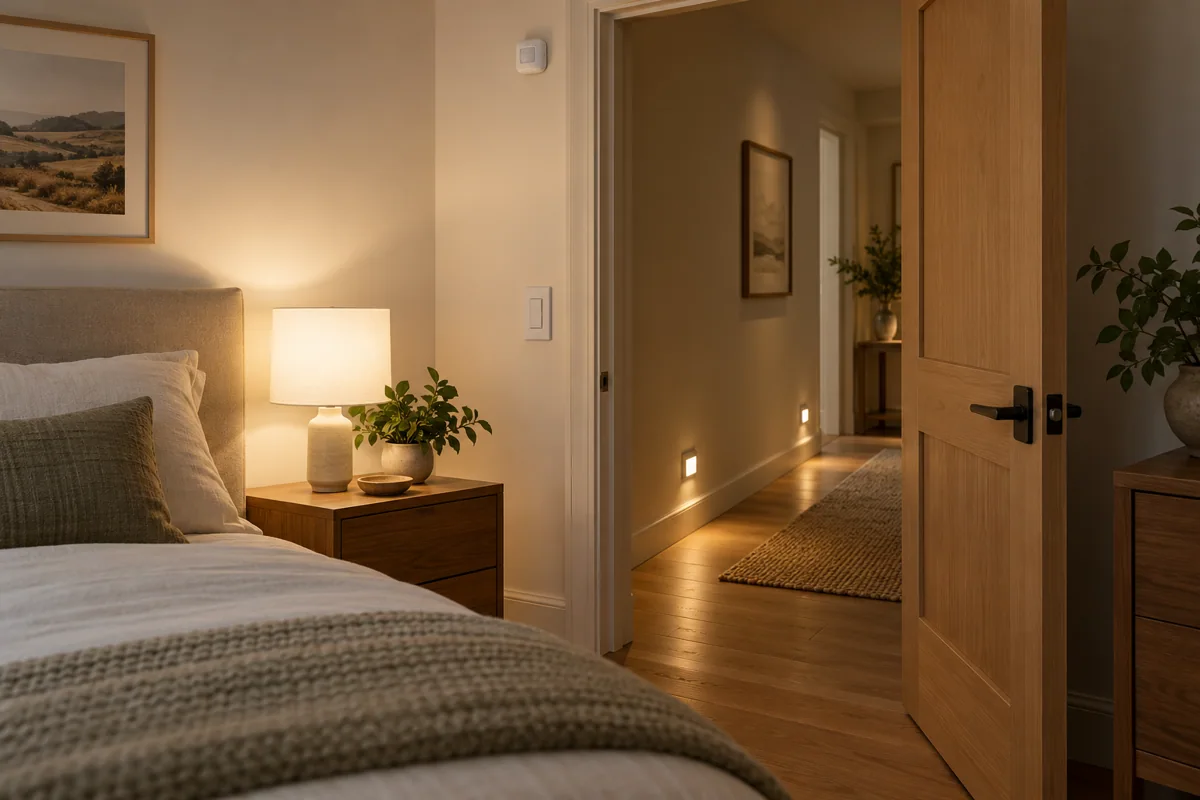
A gentle path light can make a bedroom-to-bathroom route easier to use without switching on full room lighting.
Read the guide →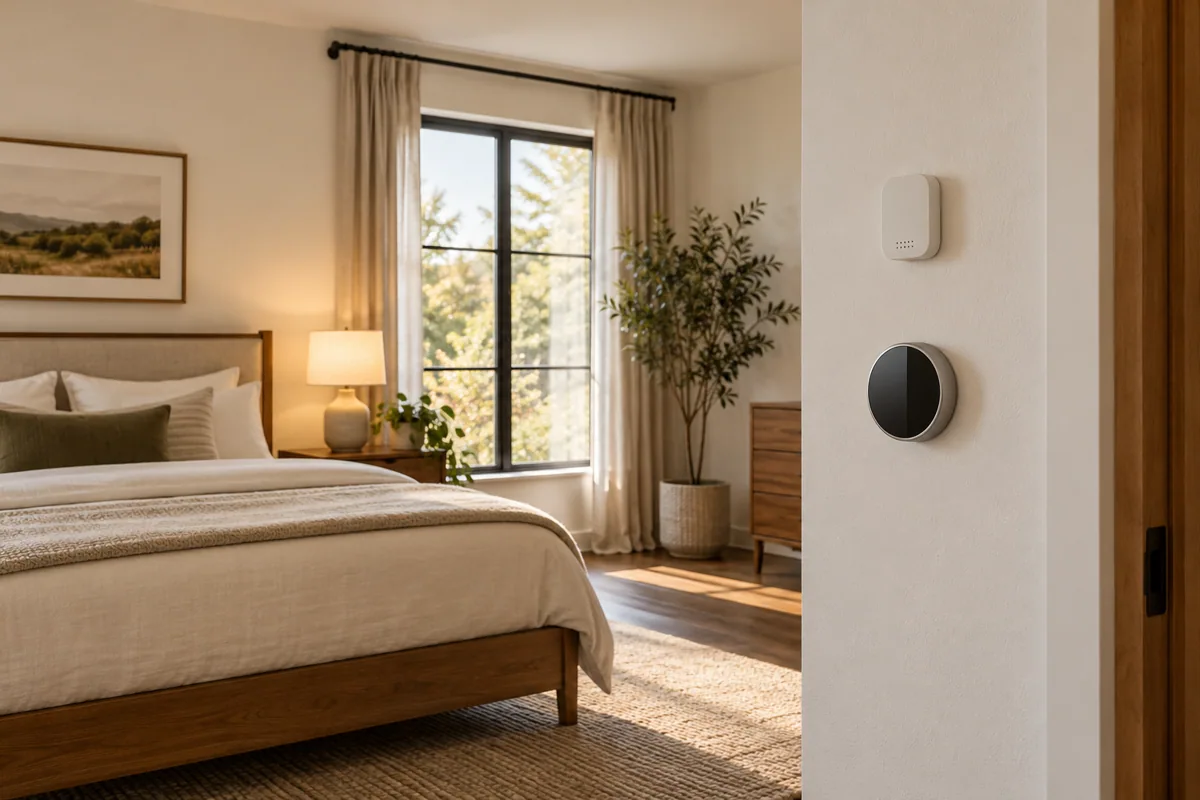
If one bedroom feels different from the rest of the home, begin with room measurements and the existing HVAC layout.
Read the guide →For a desk inside a bedroom, choose an independent work-light group before linking it to the sleep scene.
Read the guide →A roller-blind retrofit can be worth considering when the fabric and mechanism are still good but daily operation is inconvenient.
Read the guide →If someone regularly cuts power at the wall, buying more connected bulbs may not improve the bedroom.
Read the guide →Buy the upgrade that fixes the daily inconvenience you notice most.
Read the guide →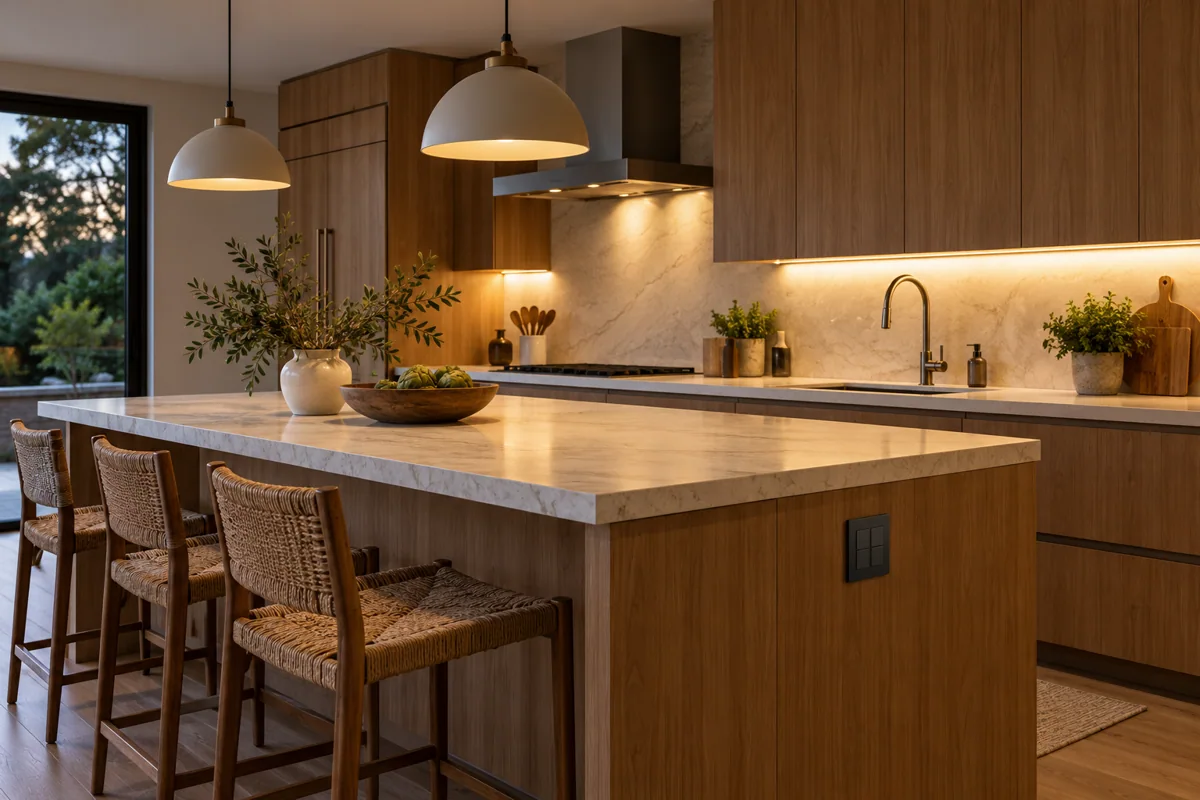
If your body casts a shadow across the cutting area, start with task-light placement rather than another whole-room scene.
Read the guide →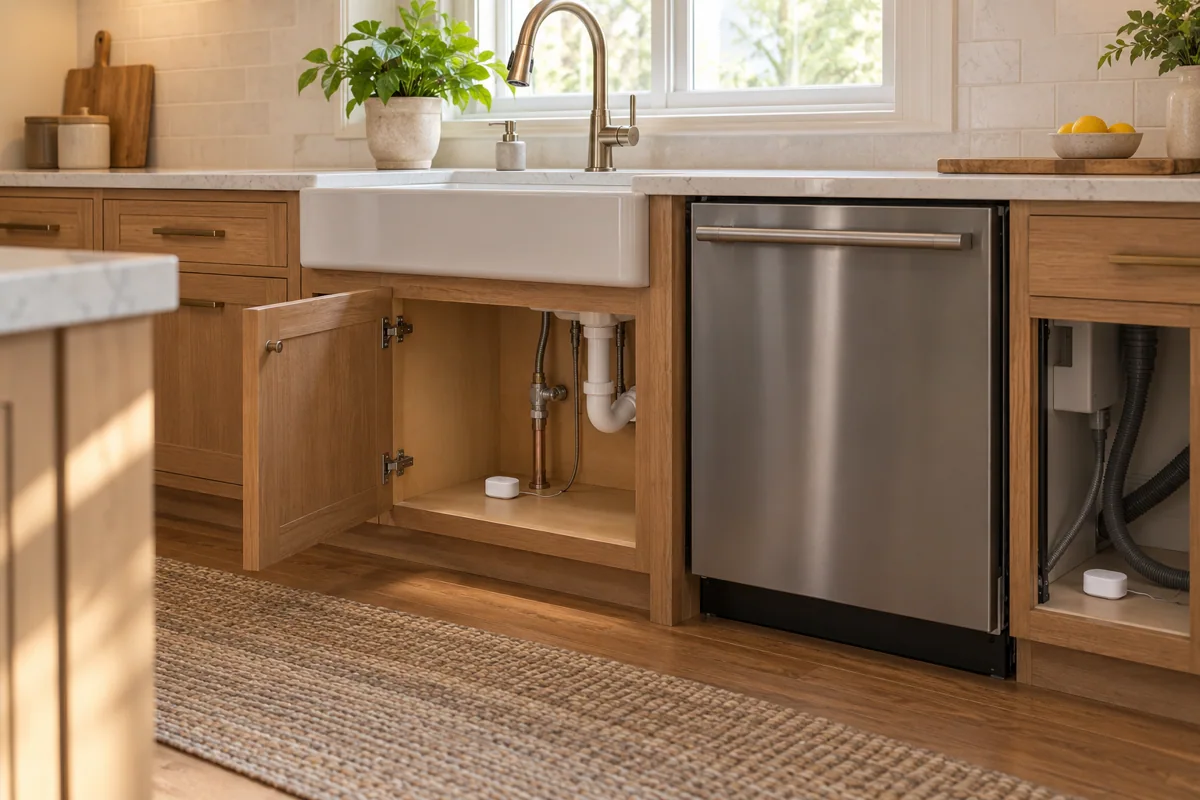
Start beside an identifiable under-sink risk point that can be inspected and reached.
Read the guide →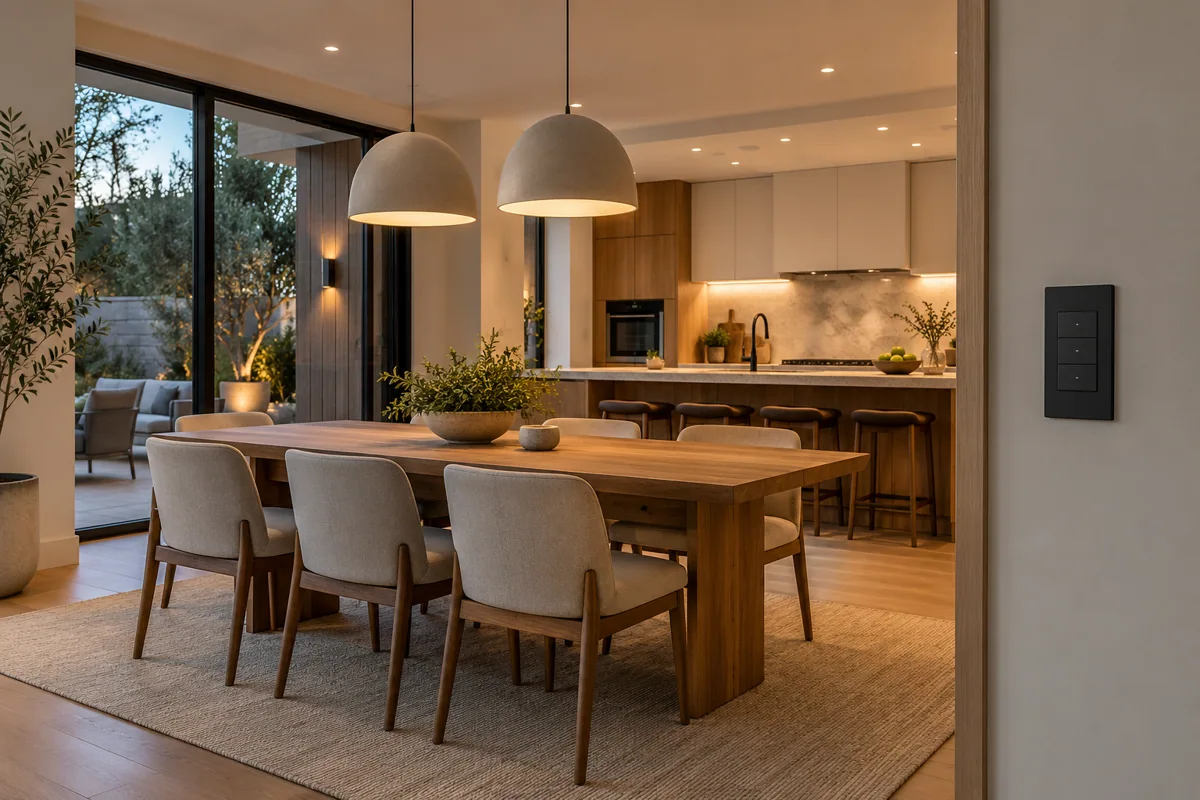
A smart dimmer is a better purchase when the island pendants and their lamps support its load requirements.
Read the guide →For a small pantry, door-triggered lighting can be a sensible first automation.
Read the guide →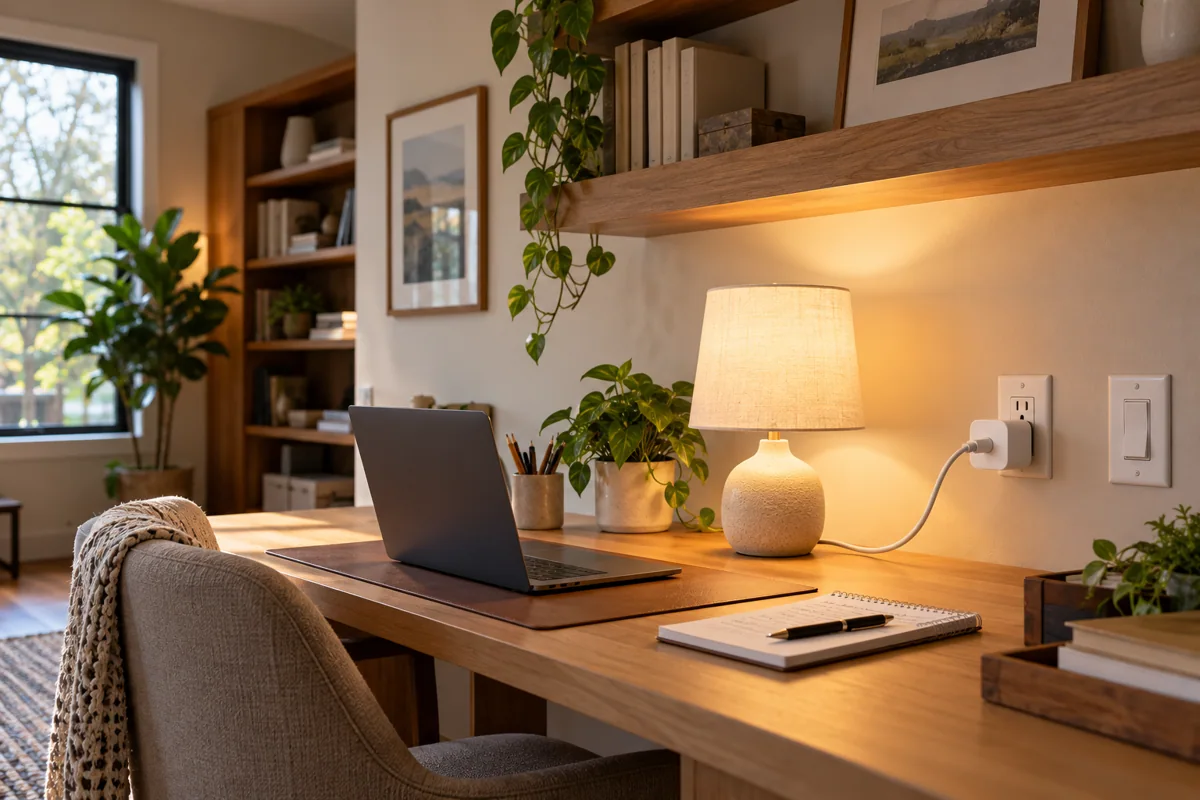
Use a plug-control proposal for an appliance whose operation and rated load suit that arrangement.
Read the guide →A dining room often needs a practical bright setting, a softer meal setting and a simple off action.
Read the guide →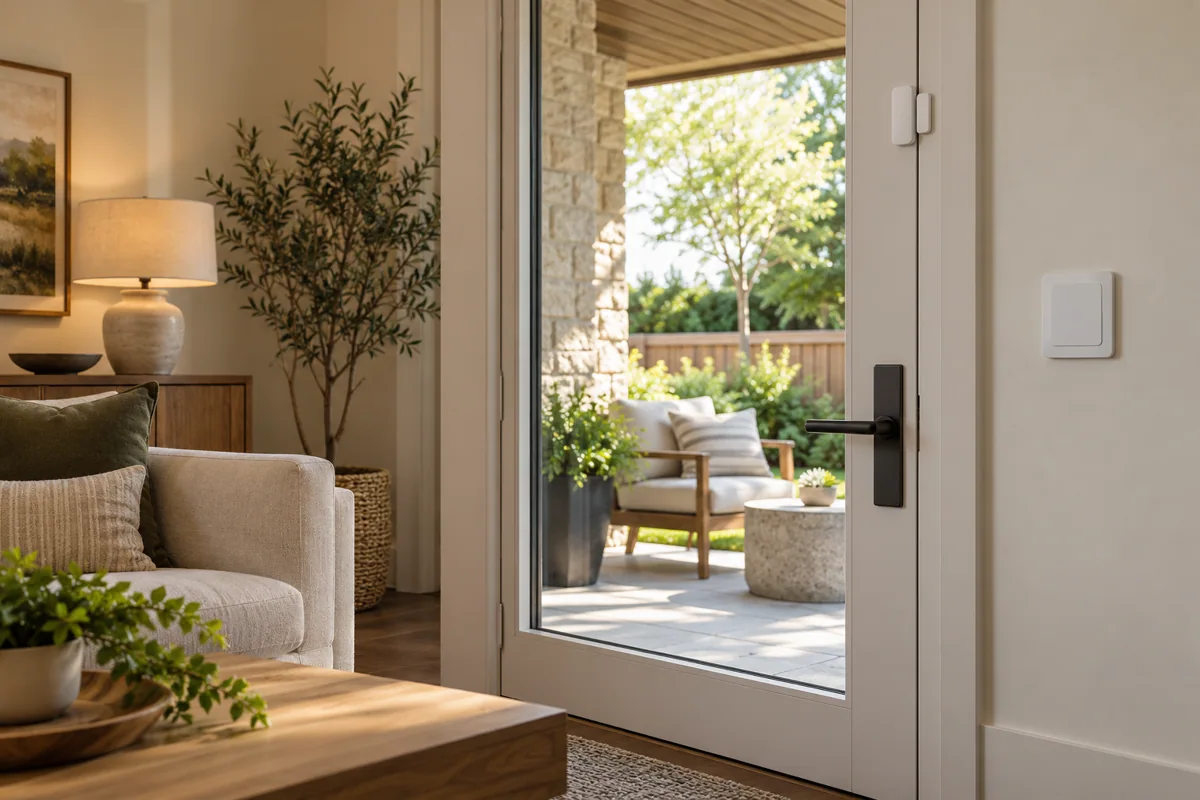
If the goal is a simple door-state reminder, a contact-sensor route may be more appropriate than video.
Read the guide →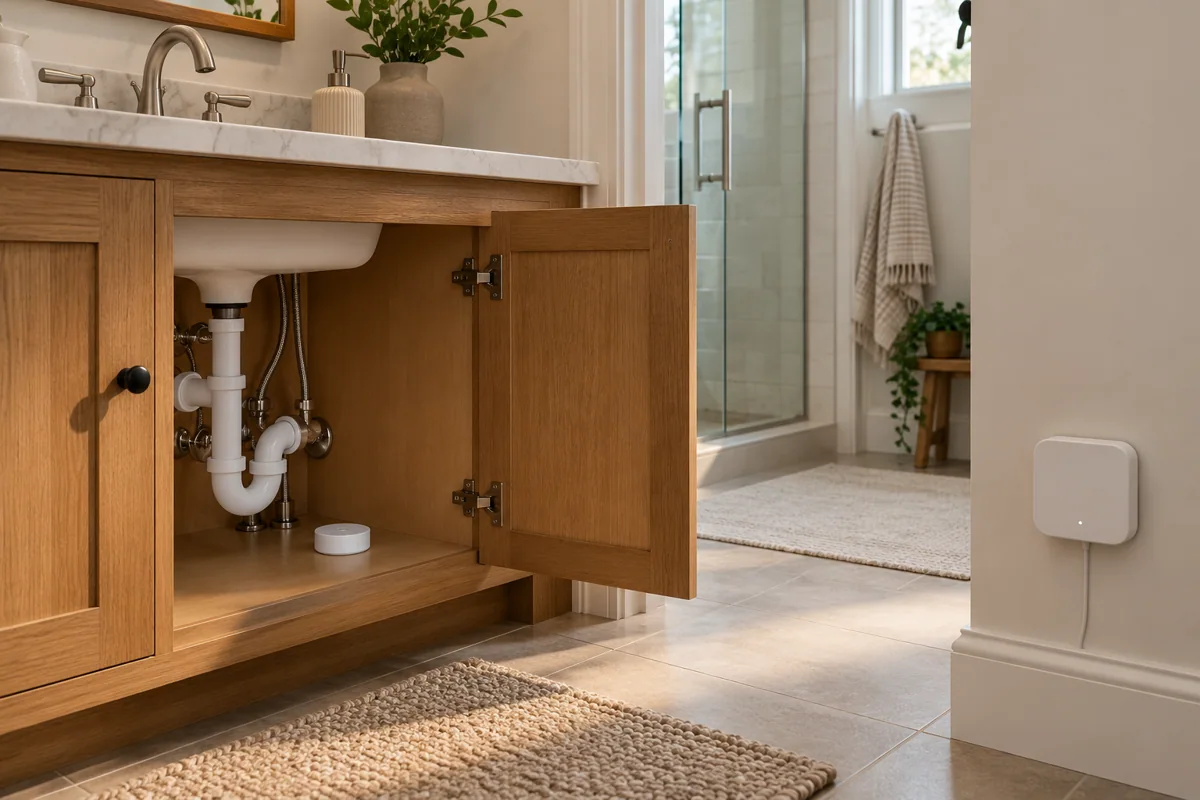
Before adding a water sensor, reorganize enough cabinet space to keep its detection position and battery access clear.
Read the guide →If the aim is to soften morning light while keeping a view, adjusting slat angle may be enough.
Read the guide →During a kitchen renovation, the best smart-lighting purchase begins with a circuit and driver plan.
Read the guide →
For a guest washroom, an obvious light control and an optional gentle night setting are usually more useful than a complex sensor package.
Read the guide →A bathroom water sensor is useful when someone can identify the location and act on the alert.
Read the guide →
A sensor behind an immovable appliance is difficult to test or maintain.
Read the guide →Start with humidity and temperature readings in representative basement locations.
Read the guide →Plan basement water monitoring by separate collection points rather than floor area alone.
Read the guide →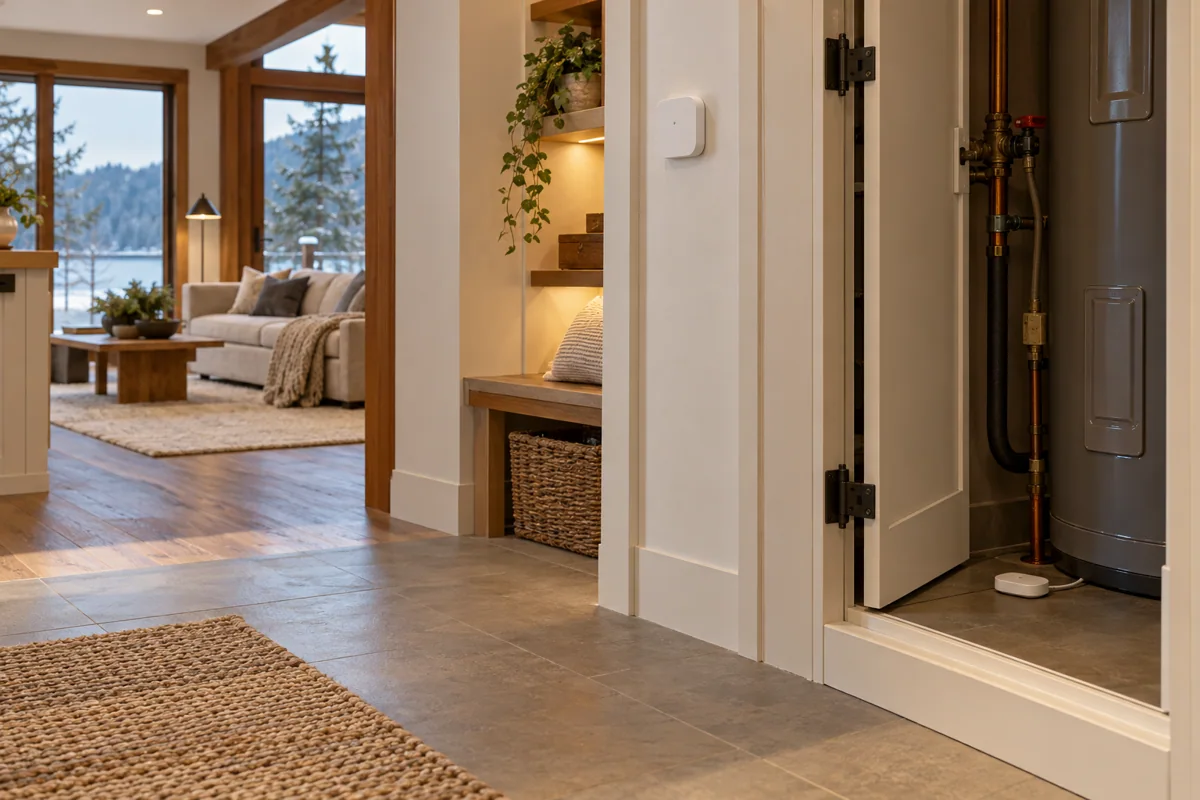
For a home left empty between visits, a clear local response plan matters as much as the sensor list.
Read the guide →If you want an additional awareness point near a basement water-risk area, define a suitable sensor position and alert response.
Read the guide →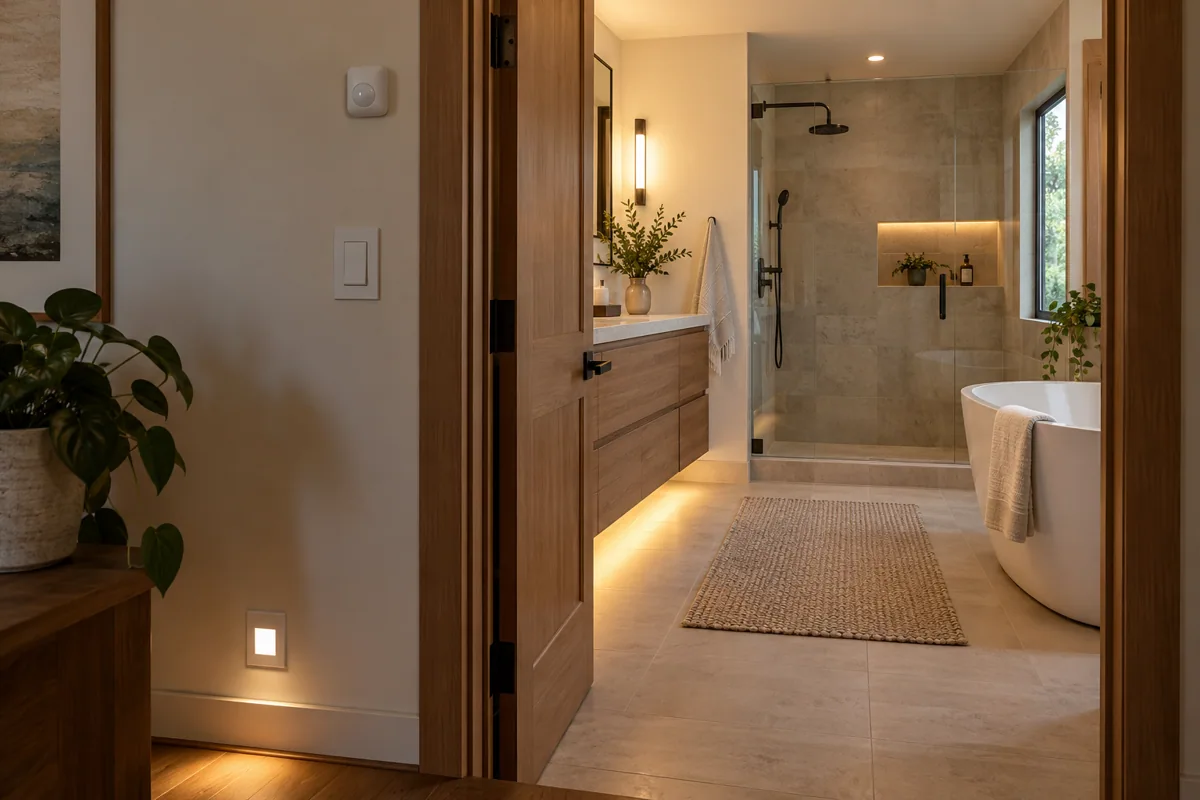
Choose a button when the person wants direct control; add sensing when hands-free entry would genuinely help.
Read the guide →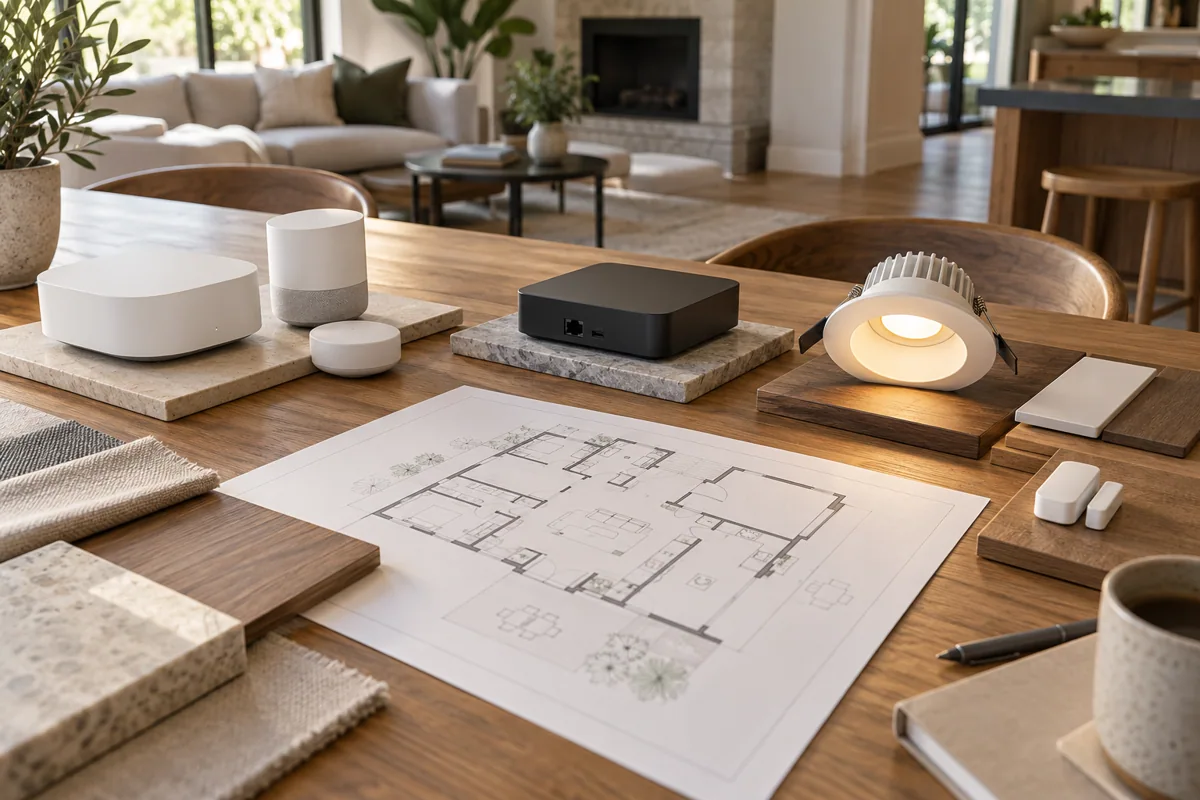
A useful sensor kit needs a working path from the final utility-room location to its controller and alert recipient.
Read the guide →
Inside a condo, a water-alert plan should fit the resident’s authority and the property’s maintenance process.
Read the guide →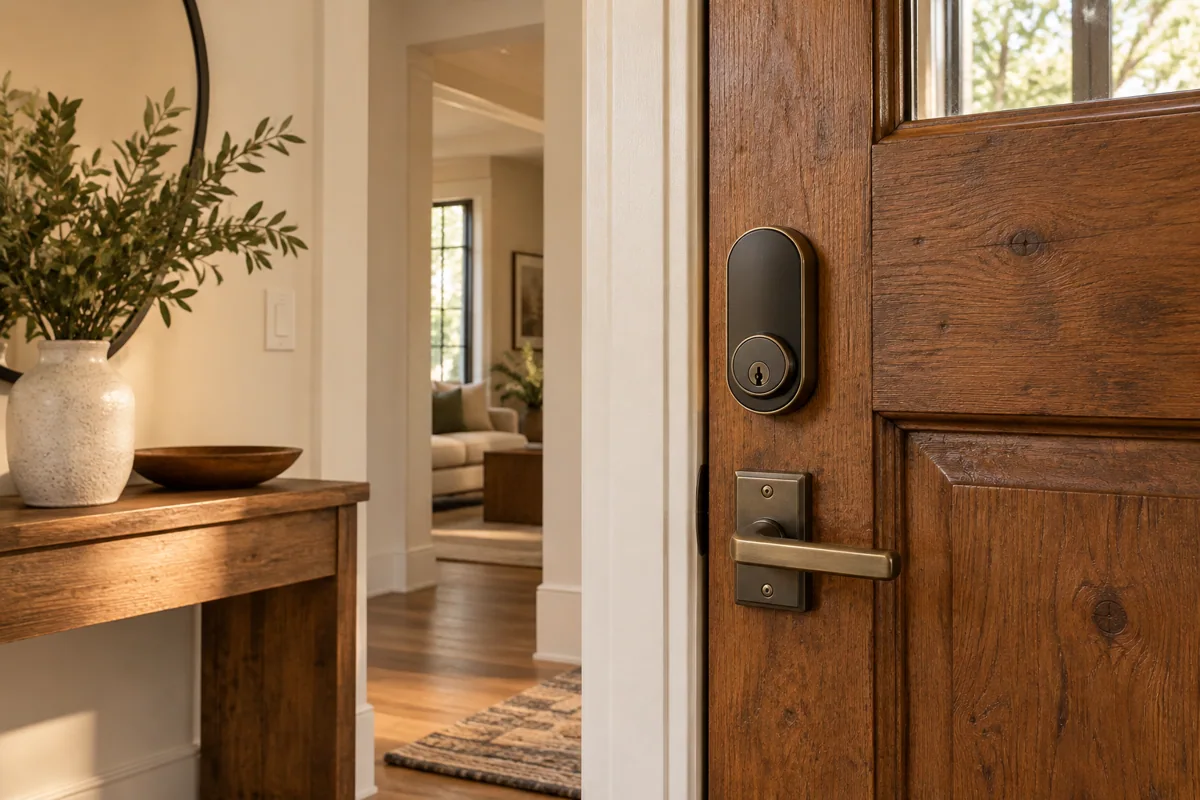
Before comparing fingerprints or app features, photograph and measure the door that will receive the lock.
Read the guide →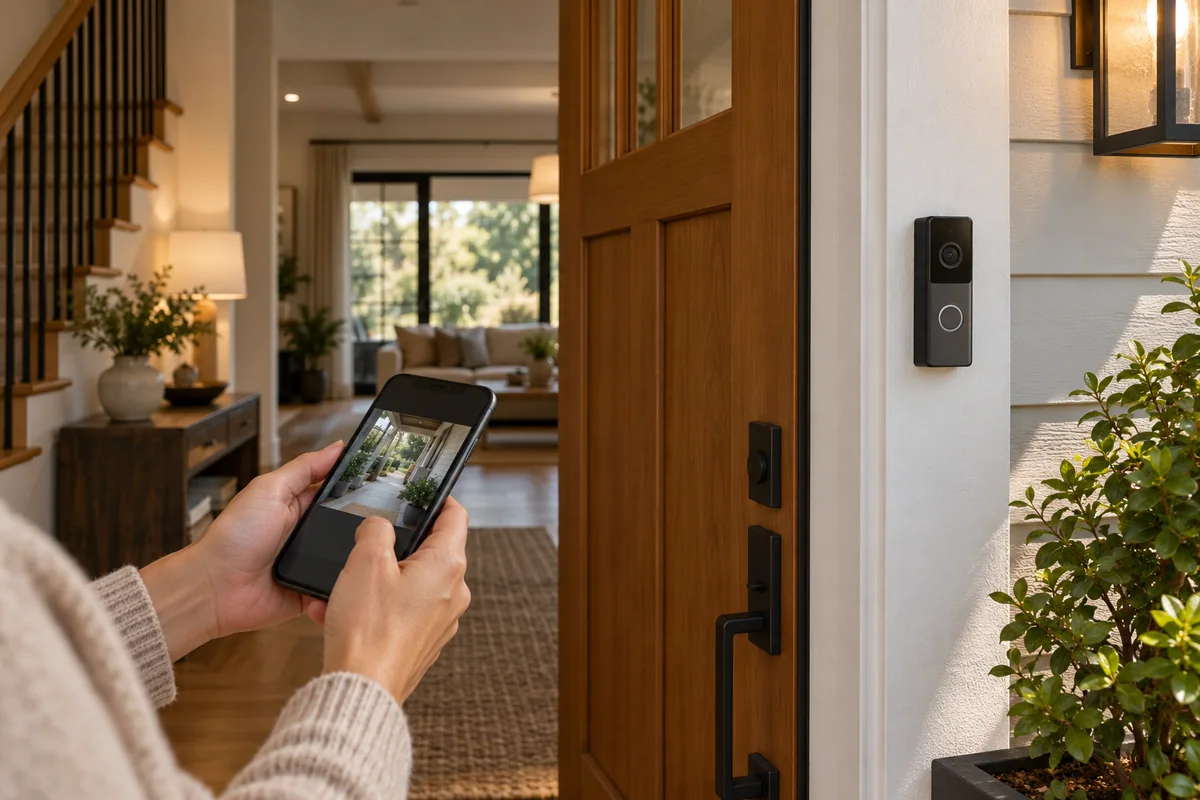
The right doorbell choice depends on existing power, mounting permission and how you will service it.
Read the guide →If the rear door’s existing lock works well, a door-state sensor may solve the actual question with less disruption.
Read the guide →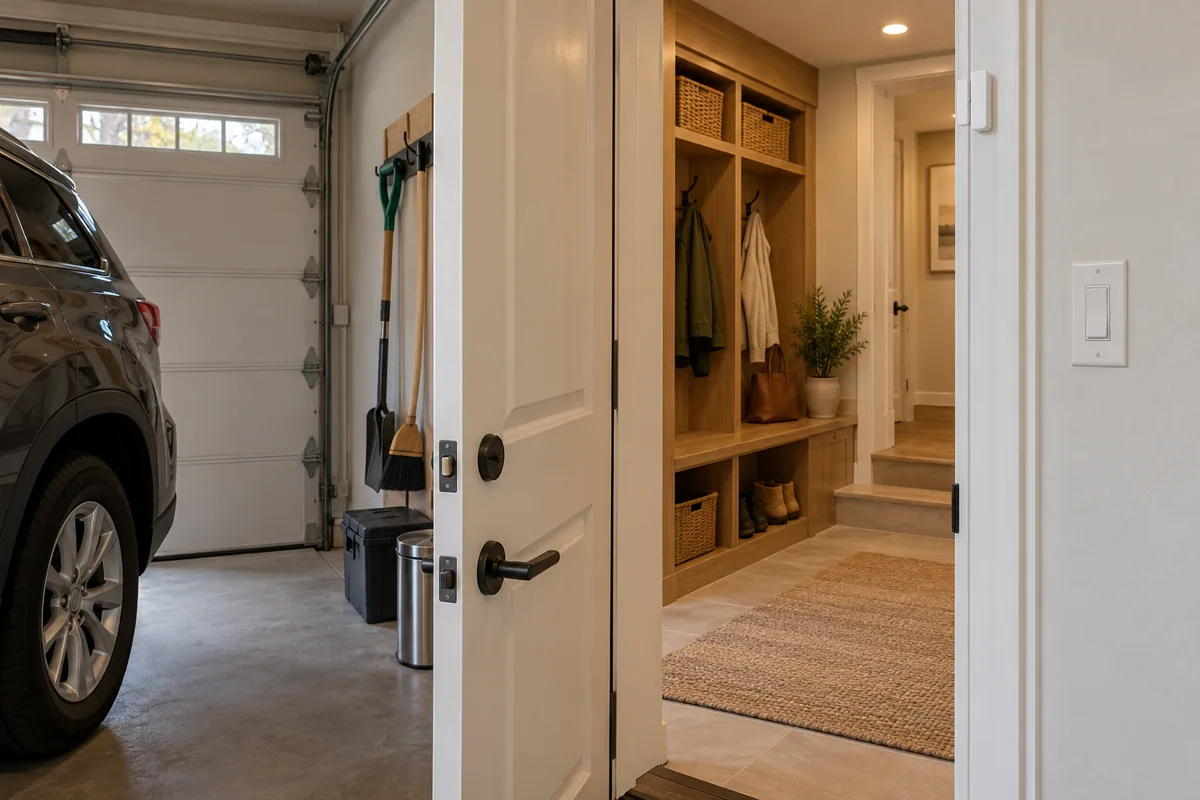
For a garage arrival upgrade, start with the pedestrian door and path lighting.
Read the guide →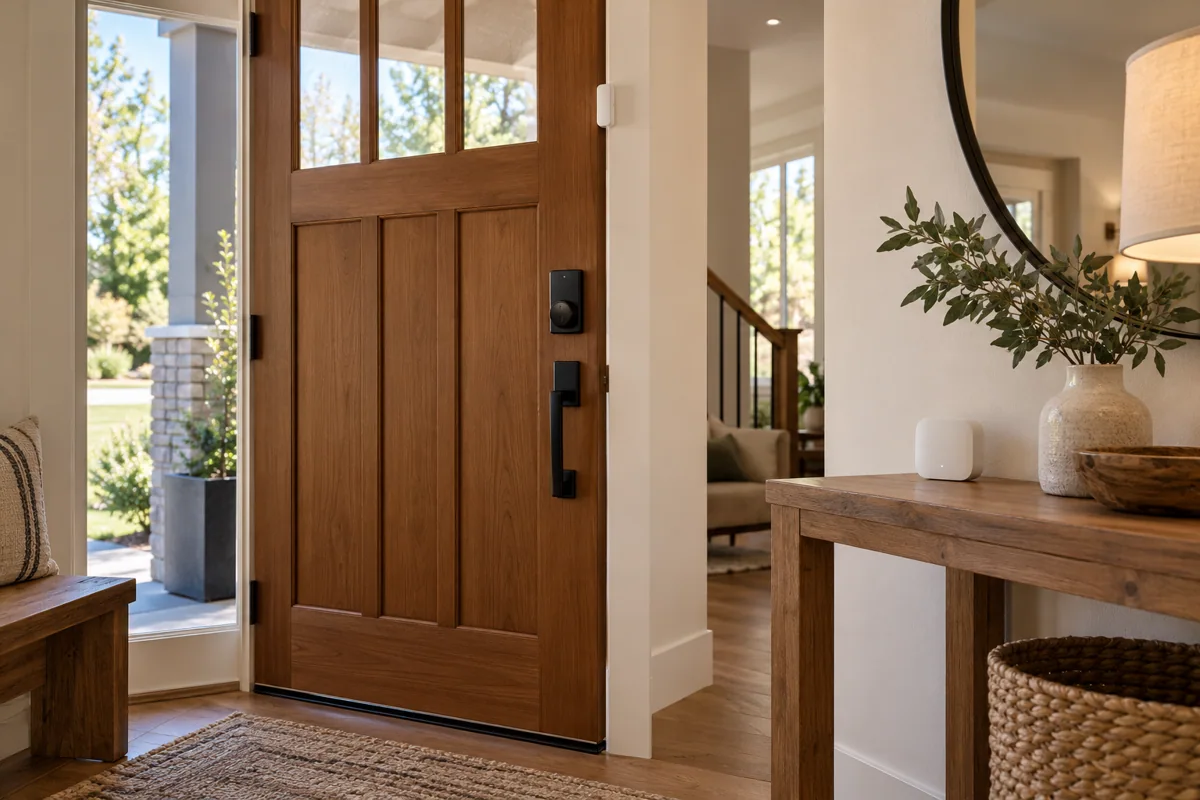
For a shared home, the main buying question is how each person’s access is issued and removed.
Read the guide →A local door chime can help a household notice a selected opening without adding video.
Read the guide →Before comparing doorbell resolution, decide whether your priority is a visitor’s face, a doorstep area or a specific approach.
Read the guide →A patio-door sensor purchase starts with the frame and exposure, not just the door width.
Read the guide →A door-lock proposal is more complete when it explains low-battery handling and the chosen backup method.
Read the guide →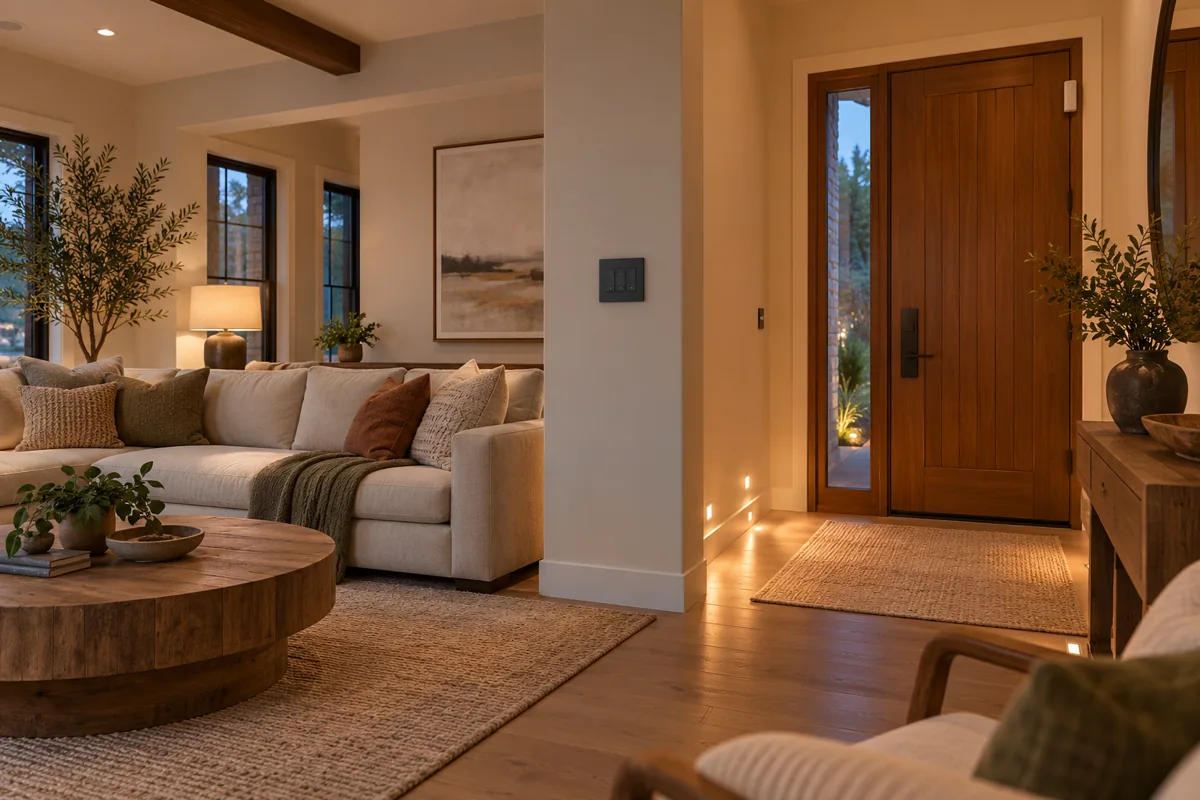
For a busy side entrance, choose an entry method and light control around the way people carry bags and remove shoes.
Read the guide →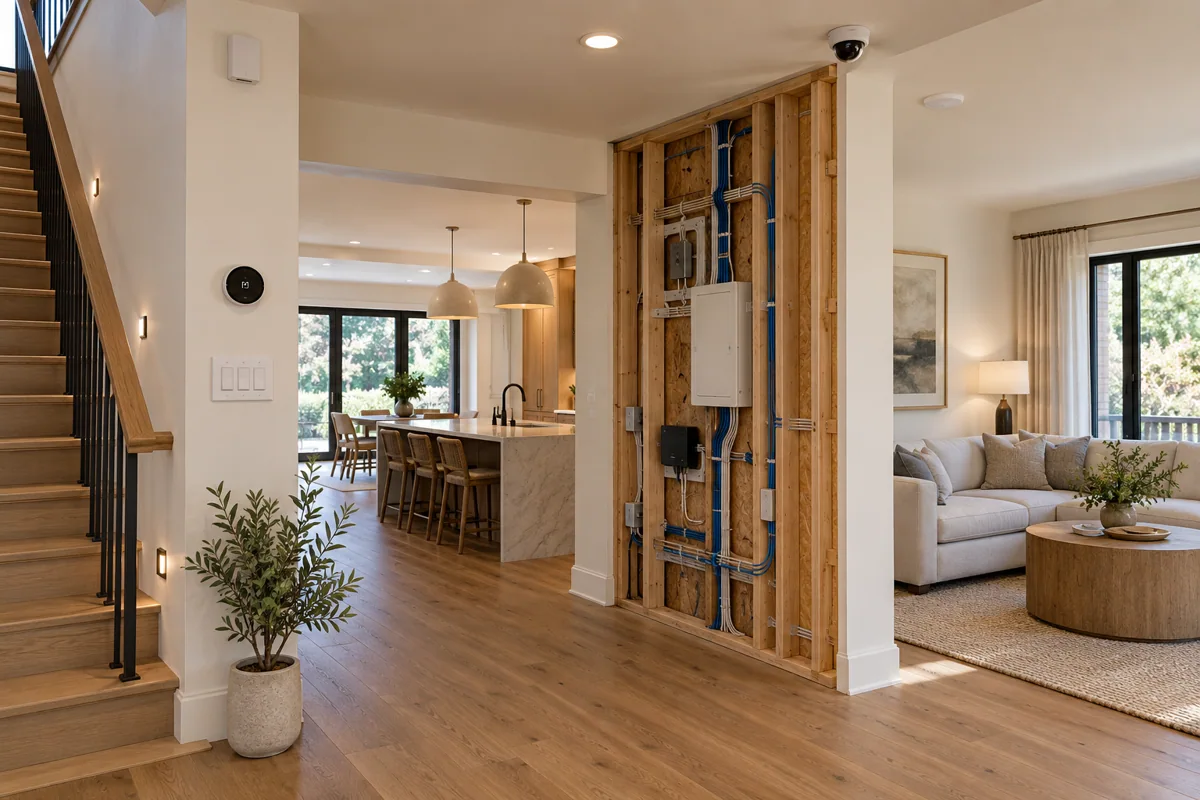
Before walls close, a point plan can be more valuable than early device purchases.
Read the guide →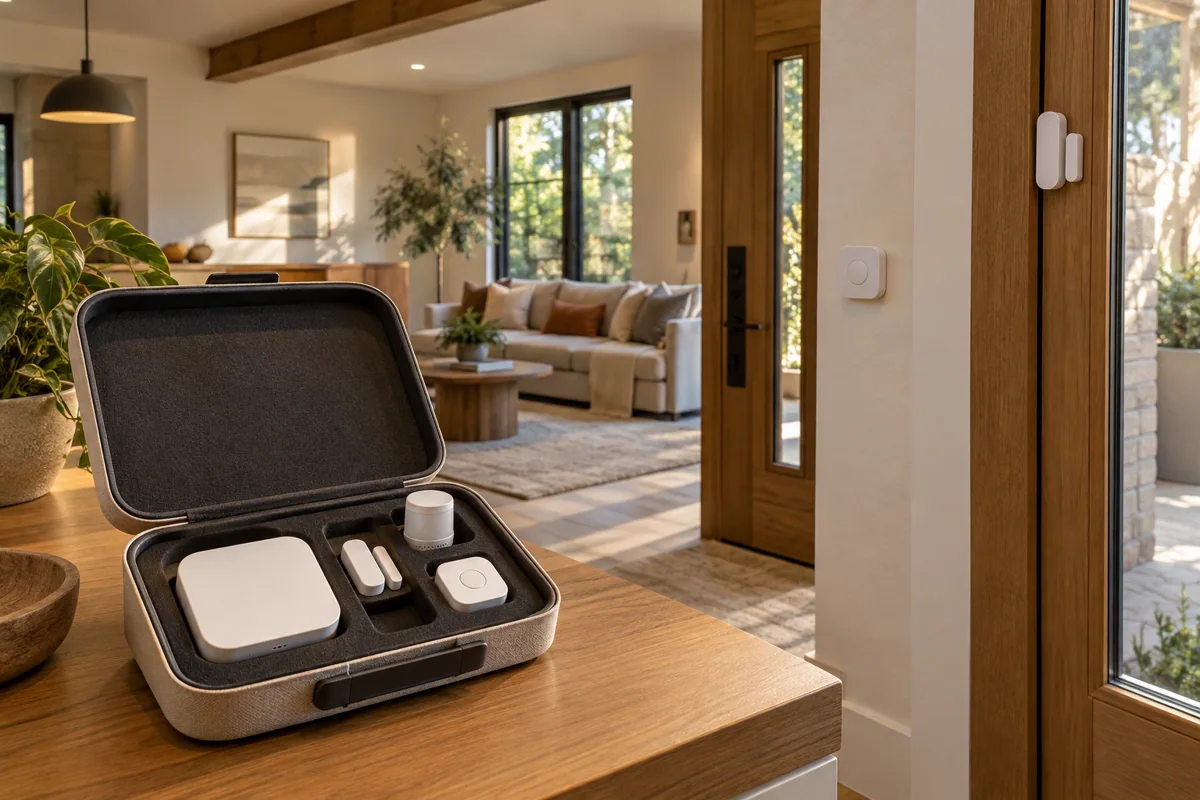
A useful show-home demonstration connects one attractive scene to a clear purchase scope.
Read the guide →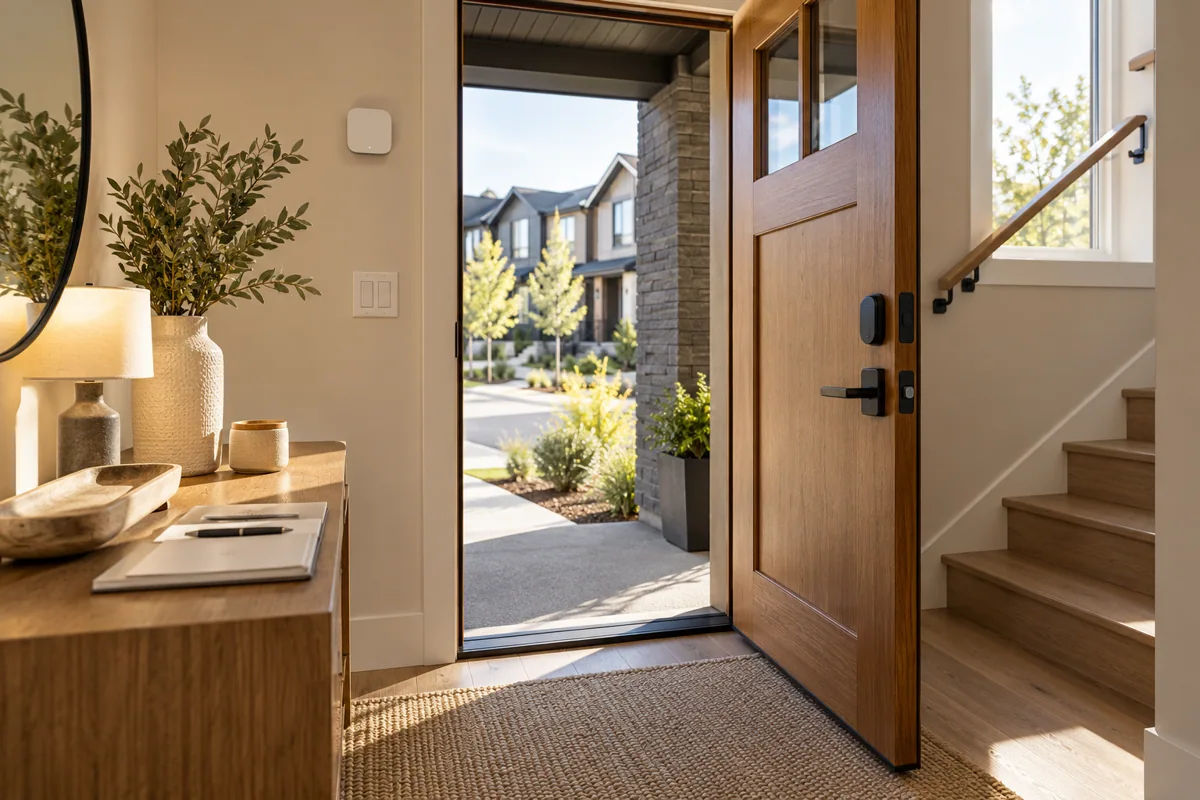
For a townhouse project, hardware quantities are only one part of the order.
Read the guide →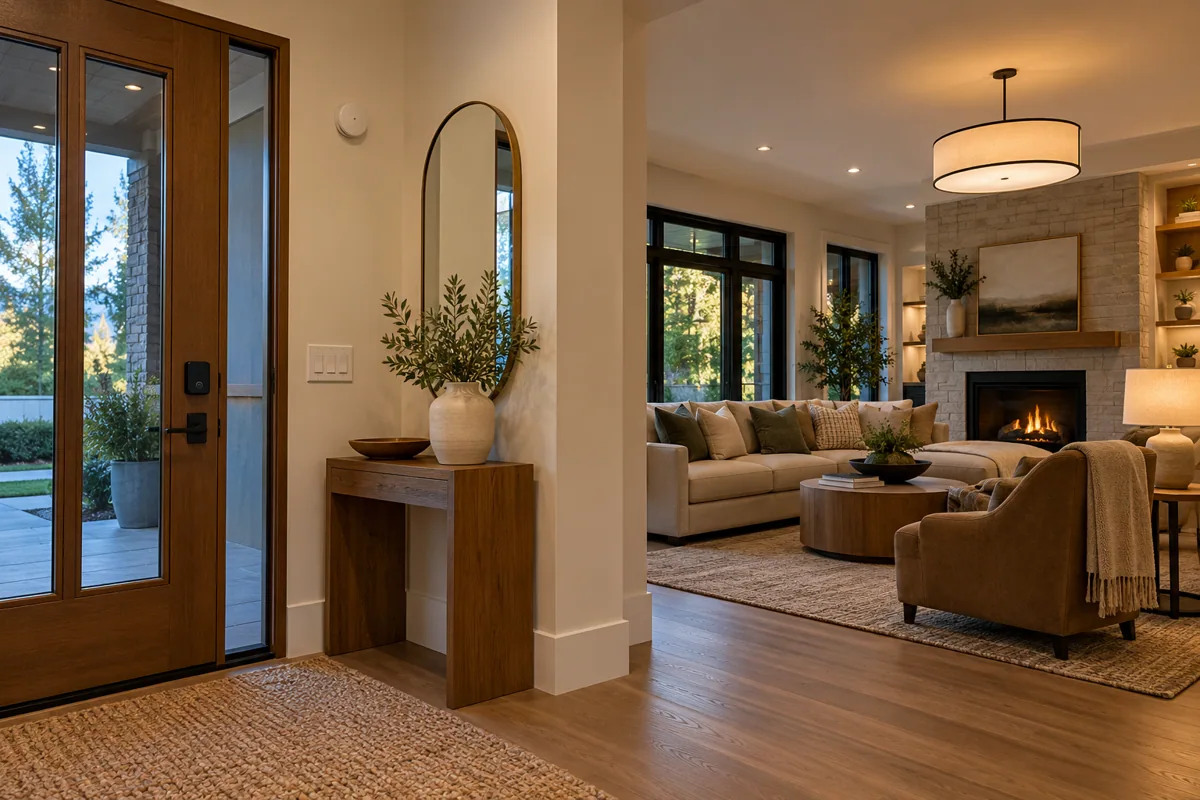
Create upgrade tiers around meaningful use cases: a useful entry package, broader room control and selected comfort additions.
Read the guide →Use a standard plan as a starting point, then check actual doors, lighting loads and selected finishes before repeating the order.
Read the guide →A completed device installation still needs a usable handover.
Read the guide →For an empty unit, focus on selected status checks and clear maintenance alerts.
Read the guide →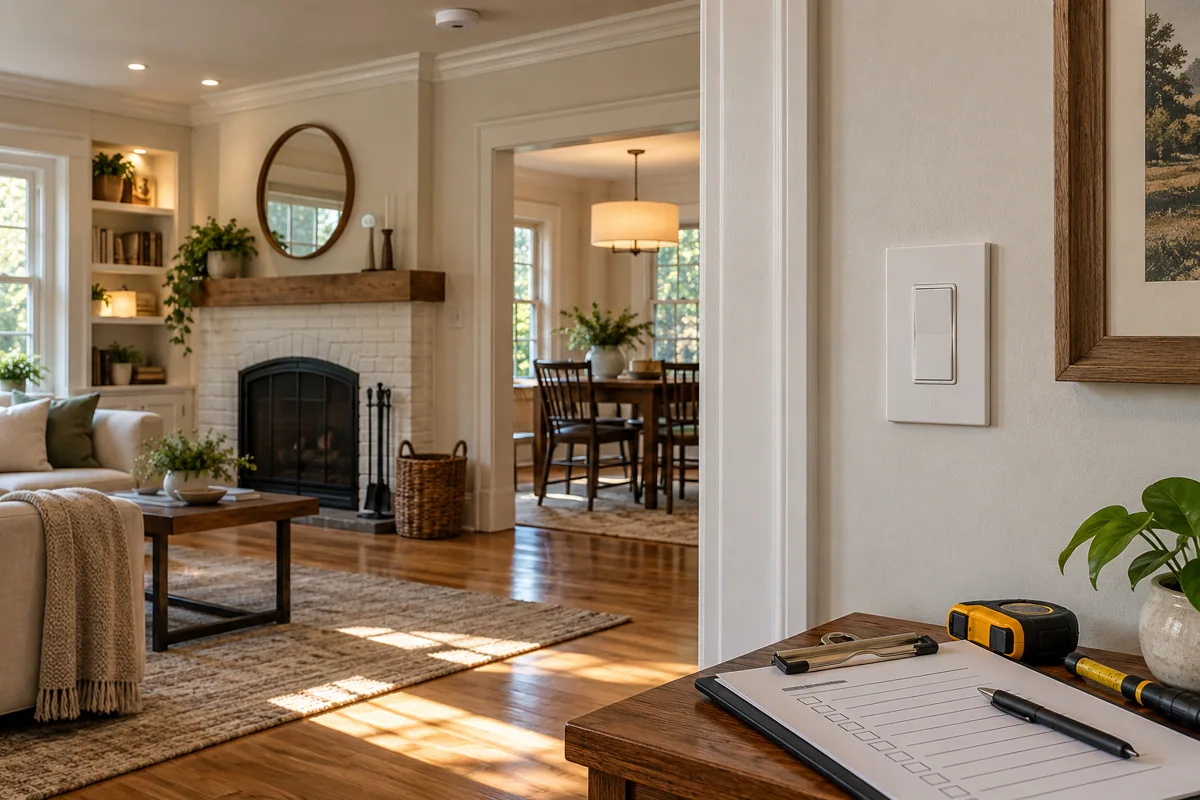
After decorating, choose an upgrade that solves a clear problem without assuming every wall device must change.
Read the guide →Wireless communication does not mean every device is battery powered.
Read the guide →A representative pilot can reveal door fit, control habits and handover work before a larger order.
Read the guide →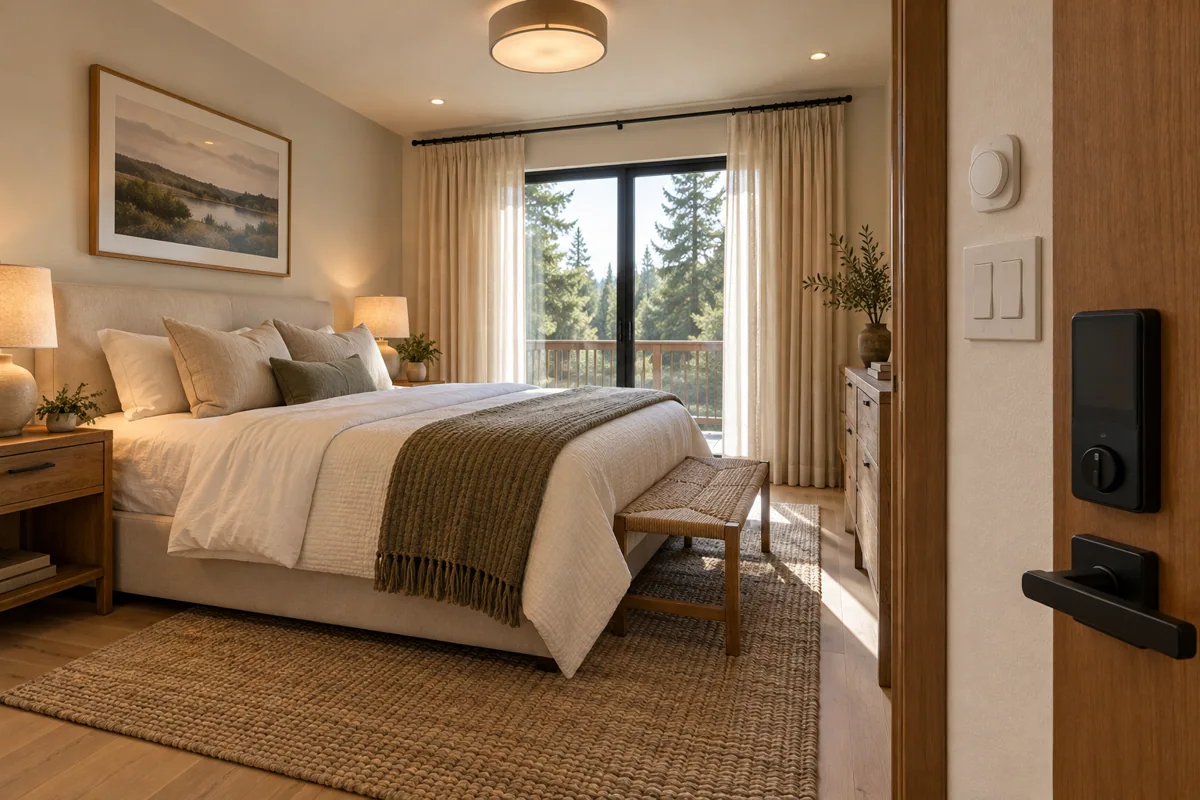
For a vacation rental, prioritize a clear arrival route, suitable entry hardware and understandable lighting.
Read the guide →For several bookings, the credential process matters more than an impressive list of opening methods.
Read the guide →
A room-reset button can help staff return agreed lights and shades to a starting state.
Read the guide →If an entrance camera is appropriate for the property, define its allowed view, viewing permissions and recording arrangement before comparing models.
Read the guide →For a guestroom concept, choose a small set of recognizable physical controls and clear lighting groups.
Read the guide →When adding smart devices to several rentals, separate property ownership, credentials and point names from the start.
Read the guide →Choose sensor names, contact permissions and a practical inspection process alongside the devices.
Read the guide →A connected thermostat can be convenient for the operator, but guests still need understandable local control.
Read the guide →Before replacing working smart devices at turnover, review ownership, old credentials and the handover process.
Read the guide →A compact range of reviewed devices can make support and replacement easier across several properties.
Read the guide →An office corner benefits from a few task-based light settings, not a complicated automation network.
Read the guide →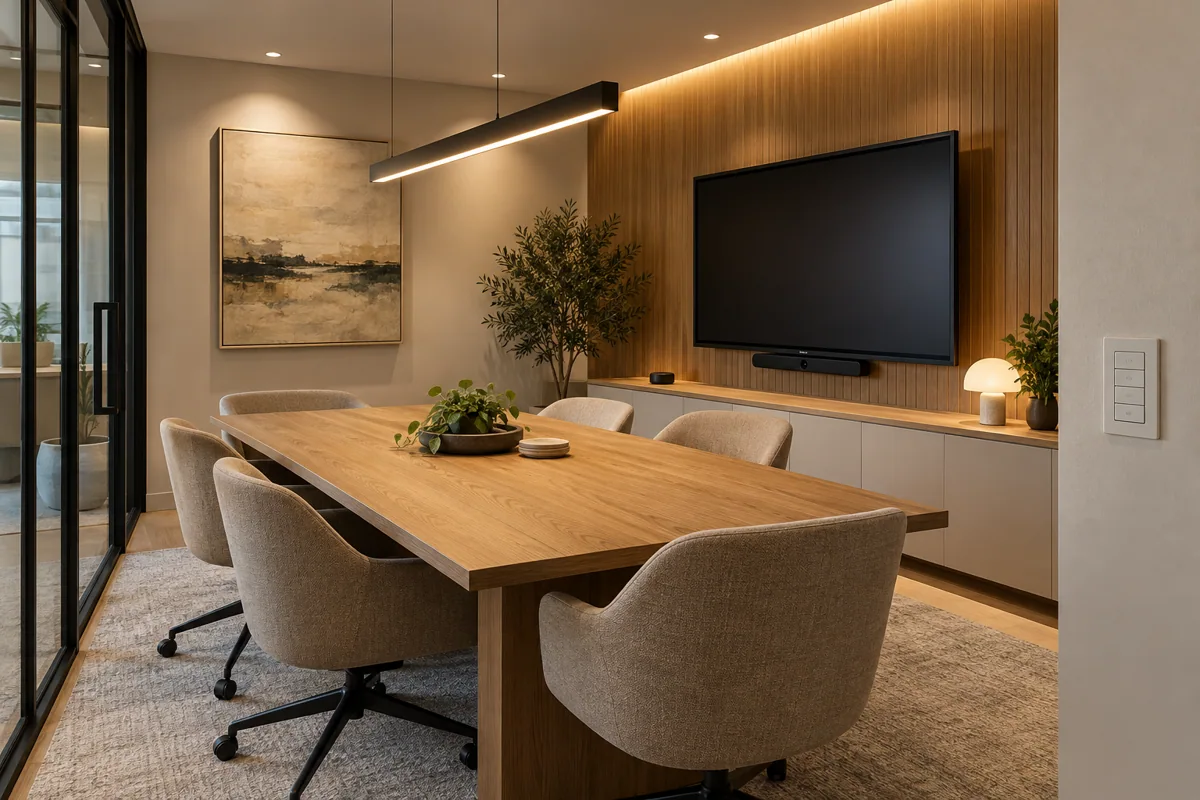
For a small meeting-room concept, distinguish discussion lighting from presentation lighting before choosing controls.
Read the guide →
Build a small comparison bay around activities customers recognize: reading, dining or watching a screen.
Read the guide →A closing-lighting button can be useful when it controls a reviewed set of lights.
Read the guide →
For a showroom, display a real mechanism and explain its fit requirements alongside the movement.
Read the guide →Choose a portable kit that explains one useful scene in a few minutes.
Read the guide →When a business takes over a fitted space, review the existing smart devices before adding more.
Read the guide →Choose camera placement, recording arrangements and viewing permissions together.
Read the guide →For a small office with uneven comfort, begin with representative readings and the building’s HVAC arrangement.
Read the guide →A good demonstration ends with a few concrete questions about the buyer’s room, location and desired outcome.
Read the guide →Start with a daily action the resident wants to make easier, such as controlling a lamp from the chair.
Read the guide →Choose night lighting around the resident’s route and preferred brightness.
Read the guide →For a wheelchair route or another seated-use layout, control placement can matter more than additional automation.
Read the guide →If reaching or pulling a curtain is inconvenient, consider a suitable motor retrofit with an accessible local control.
Read the guide →For an independent-living comfort project, start with the readings the resident actually wants to share.
Read the guide →A clearly labeled away button can be easier to trust than a scene that guesses occupancy from one event.
Read the guide →Choose a sensor routine around the actions the household actually wants.
Read the guide →For a stairway upgrade, identify usable controls at both ends before adding automatic scenes.
Read the guide →A hallway scene is more useful when it accounts for coats, bags and pauses at doors.
Read the guide →Choose the control method the household wants to use, not the one that looks most impressive in a demonstration.
Read the guide →Start with one complete room when the family is still deciding how much automation it wants.
Read the guide →A mixed-brand room can be a good fit when each product serves a clear purpose and the intended control paths are documented.
Read the guide →If devices repeatedly lose their connection, a network review may be a better next purchase than more accessories.
Read the guide →Local-control claims should be assessed action by action.
Read the guide →Before ordering a Thread-based room combination, review the chosen Matter controller and Thread border-router requirements.
Read the guide →Compare whole-home proposals by the job each device performs, not only the total device count.
Read the guide →Start with an inventory of the devices and functions that already work.
Read the guide →A scene that spans several devices depends on their actual supported interfaces and configuration.
Read the guide →A useful quote starts with the project city, country and intended installation.
Read the guide →A useful first request is short: room type, location, the daily problem and a few relevant photographs.
Read the guide →