

Source, install and partner
Compare wholesale quotes against the same equipment list
The lowest-looking quotation may simply omit a hub, mounting accessory or service item.
Read the guide →Practical purchasing and handover decisions for suppliers, dealers, installers and project partners. Bring the scope and location; work out the next step together.
65 guides
The lowest-looking quotation may simply omit a hub, mounting accessory or service item.
Read the guide →
When sourcing for Canada or the United States, compare the actual regional SKU and its documentation.
Read the guide →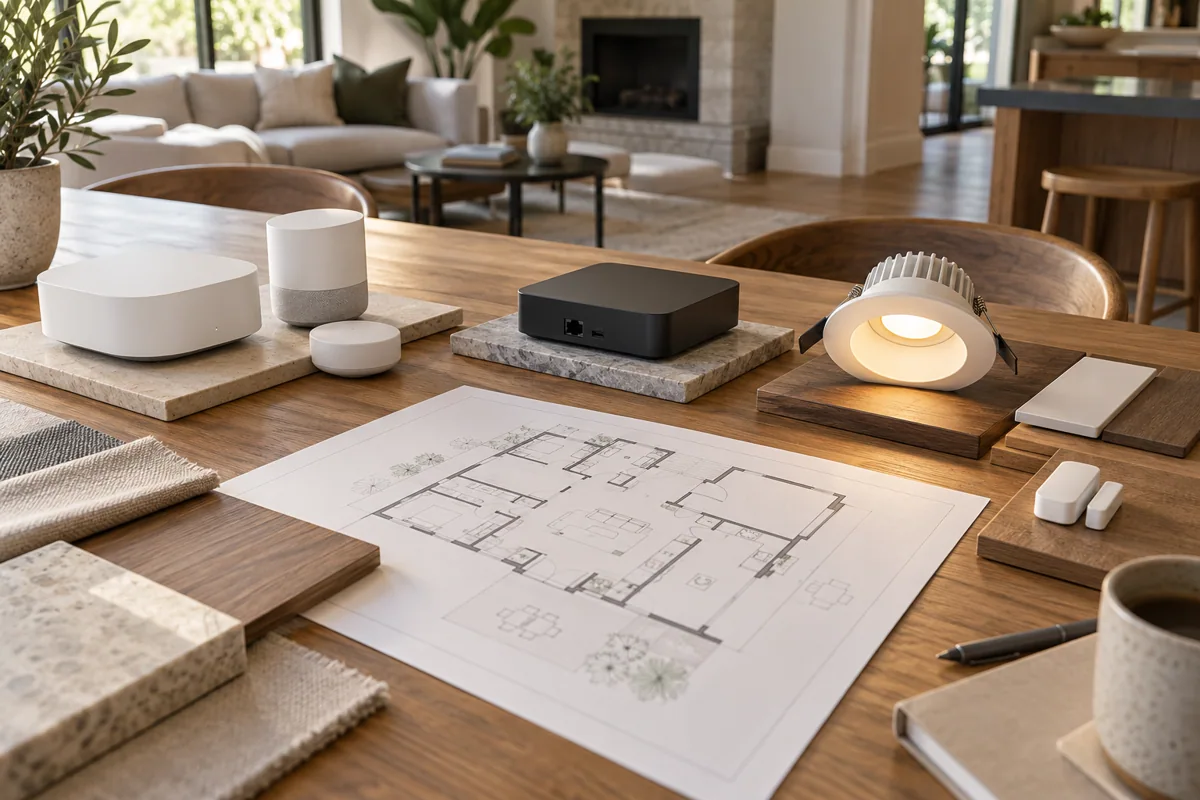
A sample is useful when it resolves a specific purchasing uncertainty.
Read the guide →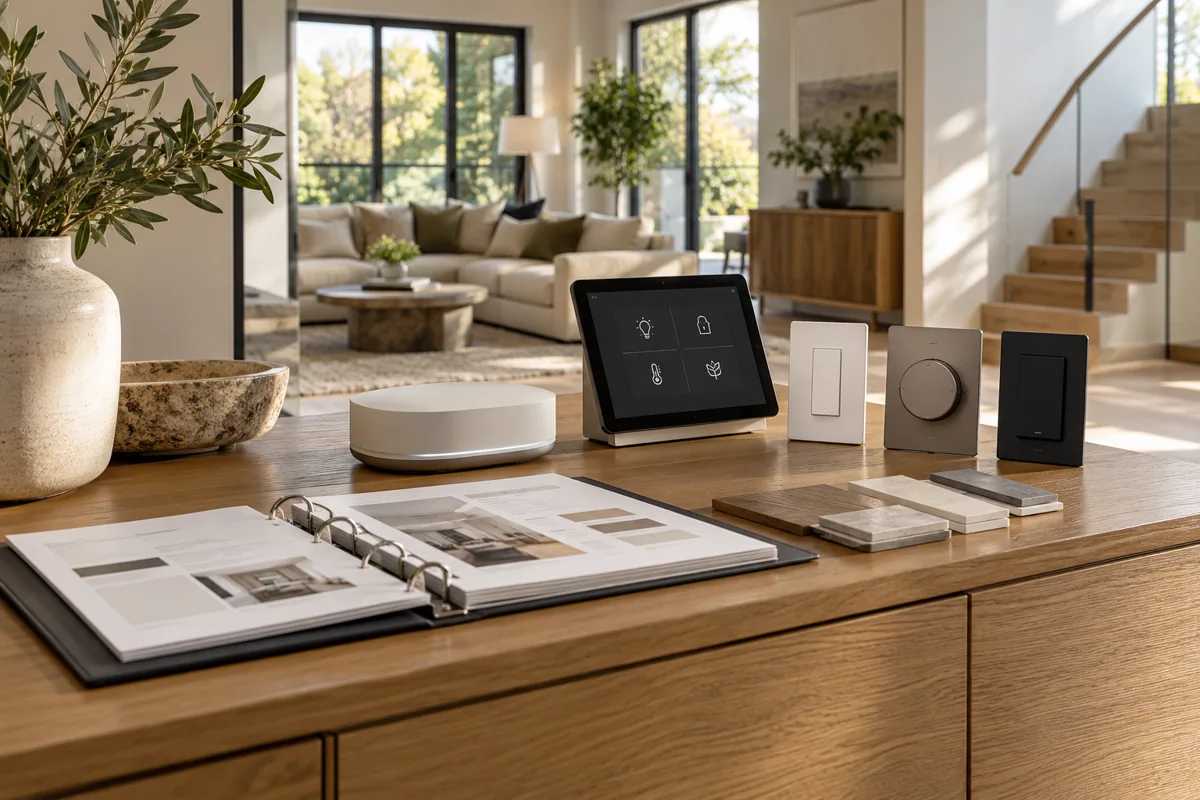
An invoice can document a purchase, but it does not by itself establish every reseller or installer claim.
Read the guide →A kit can simplify the first room but complicate a bulk equipment list.
Read the guide →Ordering everything early does not always make a project easier.
Read the guide →Good sourcing information lets an installer decide whether the proposed order can actually be delivered.
Read the guide →A discontinued or unavailable item can often be replaced, but a similar feature list is not enough.
Read the guide →A correct warehouse count is only the beginning of a multi-unit order.
Read the guide →A spare is valuable when it helps recover an important function without creating a new compatibility problem.
Read the guide →A supplier’s catalogue entry and a delivery-ready order are not the same thing.
Read the guide →Two offers for the same-looking device can lead to different after-sales work.
Read the guide →A retailer needs more than a product photograph saved from a marketplace.
Read the guide →A loose sensor may demonstrate its finish but not the experience a store would sell.
Read the guide →The answer depends on the job you want to do. A store seeking a mixed-brand assortment has a different immediate need from an installer pursuing a manufacturer’s specific training or access to a particular product line.
Read the guide →Receiving is the last easy opportunity to find a mismatch before equipment spreads across a project.
Read the guide →A fast-selling sensor is not enough if its required companion is missing.
Read the guide →For orders serving Canada and the United States, label the quotation currency clearly and compare the same scope.
Read the guide →A contractor needing devices for one building may not need a retail partnership.
Read the guide →A tick beside “compatible” does not tell a buyer enough.
Read the guide →Visible controls are part of the room’s finish as well as its system.
Read the guide →A useful demonstration should be reproducible.
Read the guide →Mounting plates, power supplies and compatible controls are easy to overlook beside the main device.
Read the guide →The first order is an opportunity to evaluate communication and documentation as well as the hardware.
Read the guide →For a store or repeat housing package, product continuity matters beyond the first shipment.
Read the guide →A device count does not tell an integrator what the household expects.
Read the guide →A floor plan is a useful start, but it does not reveal every mounting, wiring or coverage constraint.
Read the guide →For a mixed-brand project, a compatibility matrix is more useful than a row of ecosystem logos.
Read the guide →Account ownership is part of the installation design, not an afterthought at handover.
Read the guide →A room full of new devices cannot compensate for an unsuitable network foundation.
Read the guide →A customer buying automation still needs an ordinary way to use the room.
Read the guide →The best handover document is one the resident can use when they have forgotten the demonstration.
Read the guide →A small-sounding scene request can require another sensor, a different control path or extra commissioning.
Read the guide →A buyer may care most about what continues working without the internet.
Read the guide →A backup file is not a complete recovery arrangement.
Read the guide →A working sample room does not prove that neighboring units are isolated.
Read the guide →For a builder, the sample home is where the repeatable smart-home package becomes concrete.
Read the guide →A date on the calendar does not make a site ready for commissioning.
Read the guide →A customer comparing project offers needs to know whether they are buying devices alone or a designed installation.
Read the guide →“The system does not work” rarely gives a remote support team enough to help.
Read the guide →A clear photo brief can turn a vague request into a useful preliminary proposal.
Read the guide →A phased project should make the first purchase useful in its own right while preserving a deliberate path forward.
Read the guide →A long technical explanation can leave a resident less confident than a short practical session.
Read the guide →A takeover is not the same as a new installation with familiar devices.
Read the guide →When a commercial tenant changes, retained devices need more than a new scene name.
Read the guide →Choose the cooperation route by the work you want to own.
Read the guide →The easiest offer to explain is often a focused project review rather than an entire smart house.
Read the guide →A showroom can help customers choose an experience, while an installer turns the approved design into usable local work.
Read the guide →A useful introduction explains what the customer wants and why a discussion is timely.
Read the guide →A referral works better when the customer understands the introduction.
Read the guide →Before arranging a technical discussion, capture the project’s location, type, stage and requested outcome.
Read the guide →A project can reach a business through more than one introduction.
Read the guide →A referral should have a practical follow-up plan, not just a transferred email address.
Read the guide →A potential referral arrangement is easier to manage when the commercial terms are agreed before anyone presents a reward as automatic.
Read the guide →A dealer and an installation partner can work on the same project without doing the same job.
Read the guide →A full storefront is one route, not the only way to begin.
Read the guide →A joint promotion needs a clear customer offer, not just two logos next to each other.
Read the guide →A professional cooperation introduction should explain what your team can deliver.
Read the guide →A smart-home discussion is more useful before every finish and wiring choice is fixed.
Read the guide →A property team may need better handover, clearer leak alerts or consistent unit records.
Read the guide →You do not need to diagnose a friend’s whole home to make a useful introduction.
Read the guide →A new category becomes easier to sell when staff can recognize its suitable buyer and required setup.
Read the guide →A broad territory sounds attractive, but a useful partnership begins with practical reach.
Read the guide →A customer should be able to understand who supplies, installs, configures and supports the system.
Read the guide →You can contact HomeTech about a purchase or a cooperation idea without preparing a long presentation.
Read the guide →