
Seasonal-home monitoring needs a local contact
For a home left empty between visits, a clear local response plan matters as much as the sensor list. Buy monitoring that helps an authorized person understand the situation, rather than assuming a remote notification can physically inspect the property.
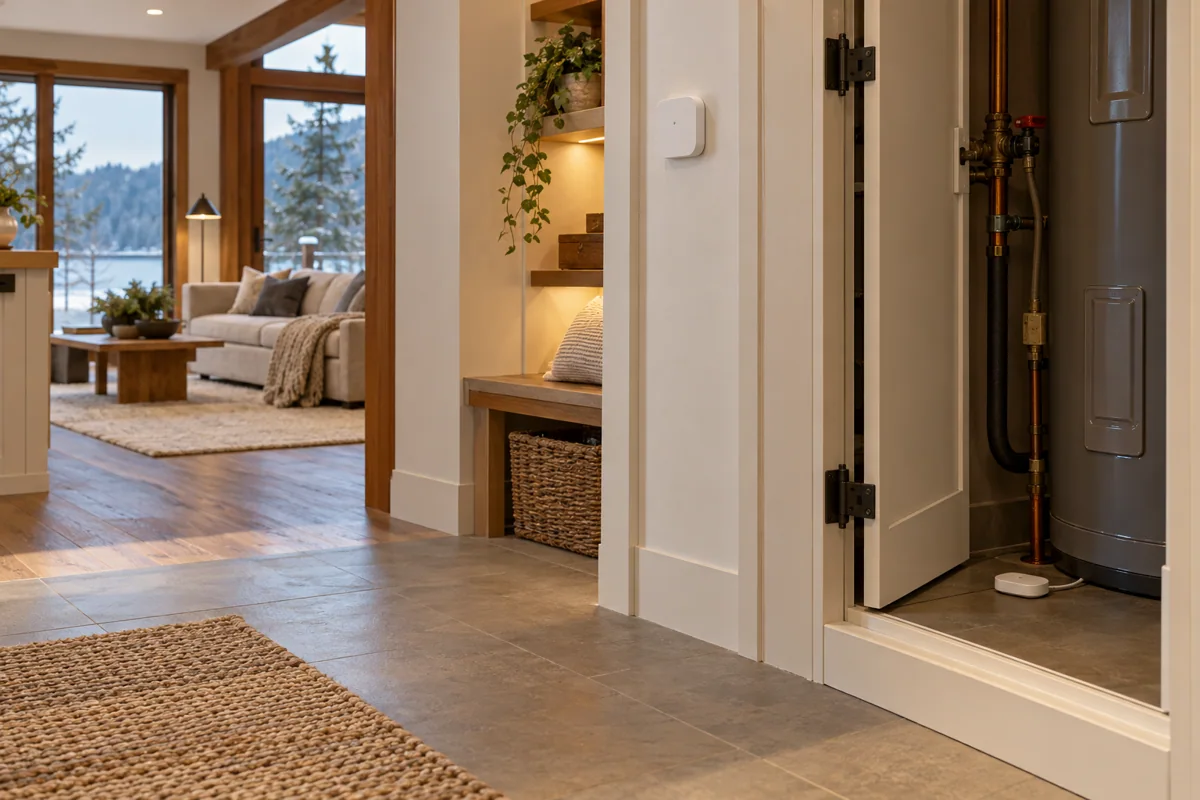
Choose useful conditions
Start with indoor temperature, water-risk points and selected openings. Agree which readings or changes would justify contacting the local person, and avoid filling a dashboard with measurements that nobody plans to review or act on.
Review connectivity and power
Check the actual controller and notification path before leaving. A sensor that works locally does not automatically provide remote alerts when the home’s internet service is unavailable, so ask for a realistic description of those dependencies.
Request a departure checklist
Ask for a small system with named points, contact permissions and an opening-and-closing checklist. Keep heating limits and building protection decisions with the appropriate professionals rather than extending a consumer automation beyond its scope.
Before you buy
- Confirm local response permission
- Test before departure
- Record internet dependencies