
Pets at home: test the lighting routine before adding more sensors
Choose a sensor routine around the actions the household actually wants. A passing pet may be relevant to one light and irrelevant to another, so begin with a limited trial rather than assuming every motion event should produce a whole-room scene.
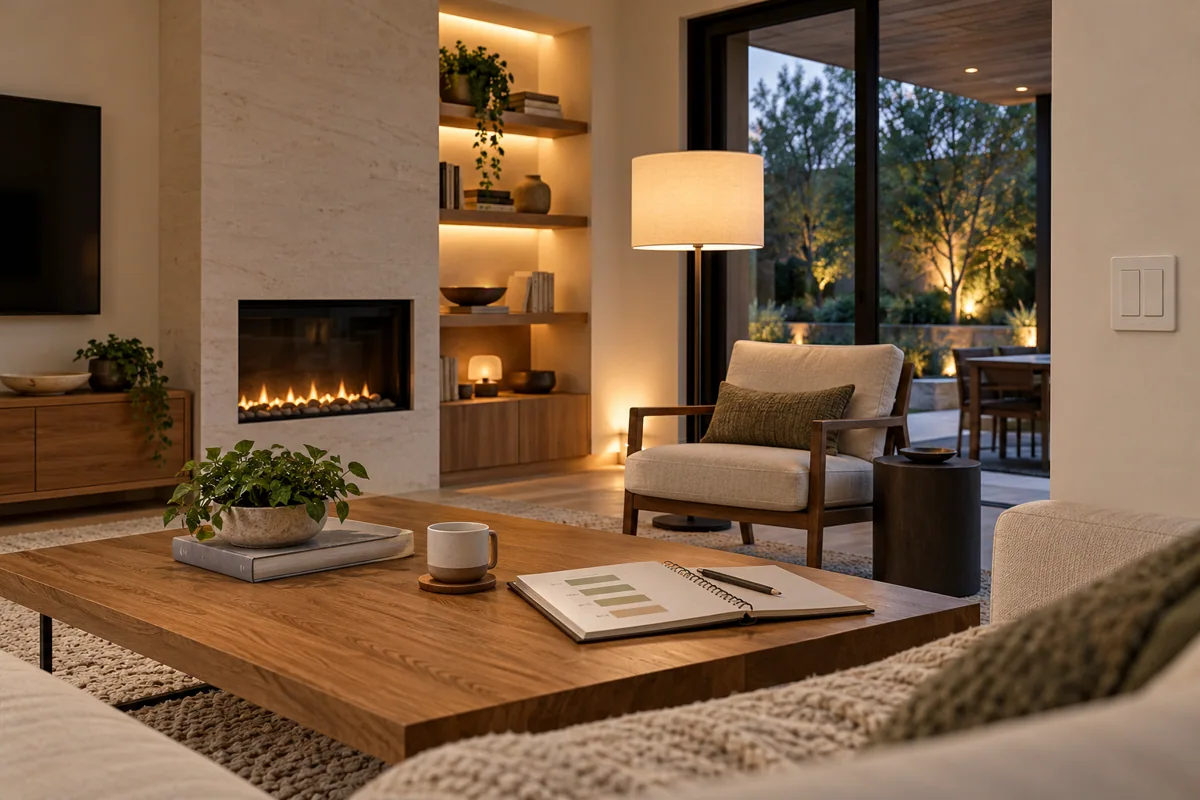
Observe the normal route
Mark where the pet rests and passes near the proposed sensor. Furniture, height and sightlines can change the behavior, so a successful trial in an empty room is not enough to judge everyday suitability.
Avoid unsupported promises
Do not assume a generic sensor distinguishes people from pets. Review any claimed classification on the exact device, and keep the scene’s consequences modest when a mistaken trigger would otherwise cause repeated nuisance or unwanted changes.
Quote a small trial
Ask for one useful lighting point with manual override and a reviewed sensor position. Expand only after the routine has been tried with the household’s real movement patterns, including quiet periods and ordinary pet activity.
Before you buy
- Mark pet resting areas
- Review exact sensing claims
- Keep manual override