
Should You Approve a Light Fixture Before the Wall Color Is Final?
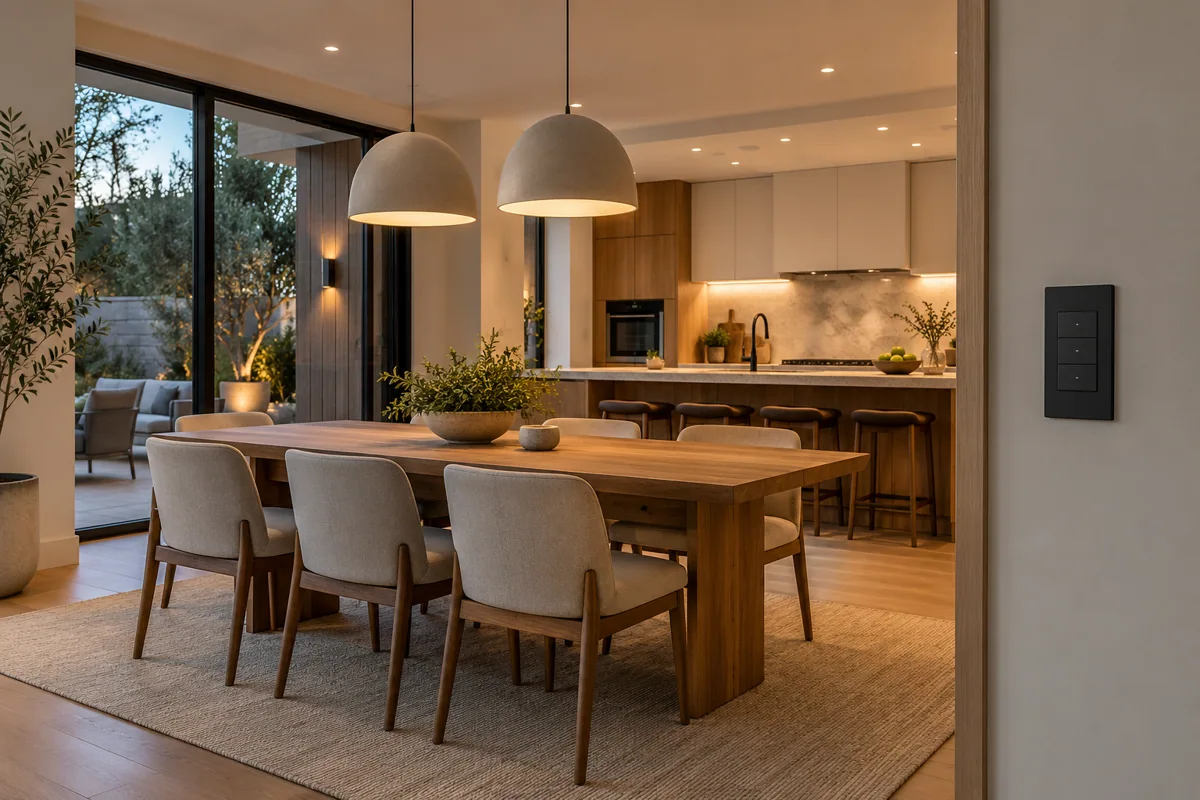
Why a sample matters A pendant or recessed fixture can look dramatically different on a warm, taupe paint versus a cool, slate hue, especially when the room receives morning sun on one wall and afternoon shade on the opposite side. Approving the fixture after the walls are painted eliminates a costly re‑order, but waiting too long can delay the whole lighting plan.
Conditional decision
Approve the sample now if you can place the fixture in the actual space (or a full‑size mock‑up) and test it under both wall finishes you are considering, plus the two daylight angles you expect (e.g., east‑morning, west‑evening). Record the observations on a simple annotated plan:
- Wall finish name or paint code for each side
- Position of the fixture relative to windows and ceiling height
- Time‑of‑day lighting condition (morning, noon, evening) and whether the window is shaded or direct
- Dimmer setting (using the Lutron Diva smart dimmer) and any scene selected on the Hue Bridge
- Subjective notes: “Warm glow, good contrast on taupe; muted on slate, shadows on evening side.” If the notes show the fixture works acceptably in both contexts, you can lock the order and move on to wiring the Lutron Caséta hub and Pico remote.
Delay approval if you cannot recreate the two wall finishes in the same room (e.g., you only have a paint chip, not a full wall). In that case, order a single spare fixture for later testing and proceed with the rest of the system (hub, dimmer, remote) so the wiring schedule stays on track.
Alternative path Should the sample fail under one of the finishes, treat the approval drawing as a record of rejection: note which finish caused the problem and keep the fixture on hold. You can then select a different style or adjust the paint choice before committing to a full‑room purchase.
The key is to capture the exact finish, lighting direction, dimmer level, and any smart‑scene settings on the drawing. That record becomes the reference point for any future change and prevents buying the same lamp twice.